7 Churches of Revelation in Turkey: A Complete Guide for Pilgrims and History Enthusiasts
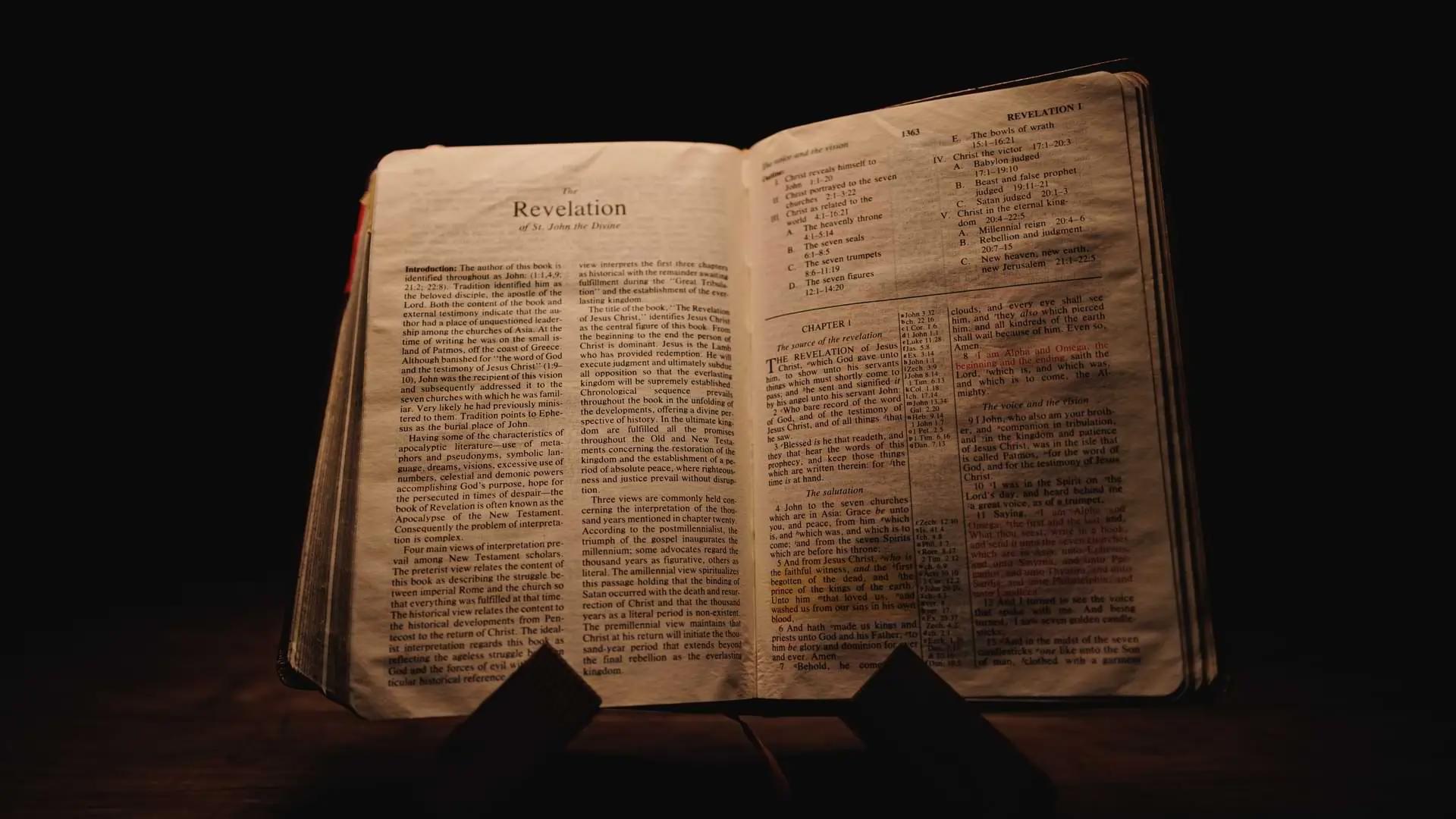
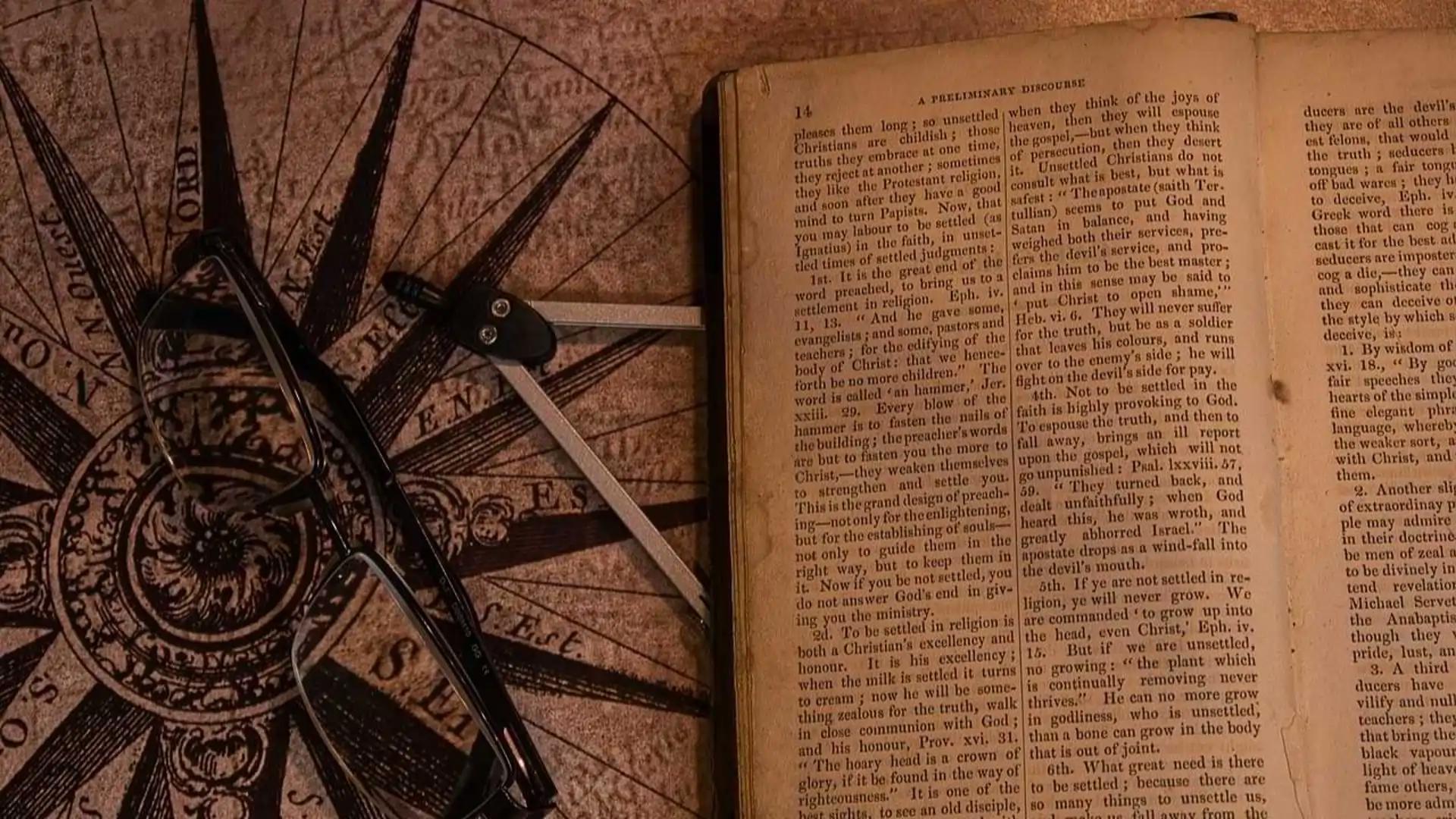
Planning a Christian pilgrimage in Turkey, visiting The 7 Churches of Revelation is the best option for travelers. The 7 Churches of Revelation hold great historical and spiritual relevance for visitors from all over the world. In the Book of Revelation, Jesus Christ addresses each church with a distinct message. These messages signify the status of those churches at that time—whether they were faithful, astray, persecuted, or corrupted.
📌 Quick Guide: The 7 Churches of Revelation
- Biblical Significance: Discover the profound messages Jesus Christ sent to the seven early Christian communities in Asia Minor.
- Historical Ruins: Explore incredibly preserved ancient cities like Ephesus, Pergamon, and Laodicea in modern-day Turkey.
- Spiritual Journey: Trace the footsteps of early Christians, from the "Faithful Church" in Philadelphia to the "Lukewarm Church" in Laodicea.
- Expert Pilgrimage: Navigate these sacred sites seamlessly with specialized private tours guided by local experts in 2026.
The churches serve as an exemplification of different types of Christian communities. Apart from documenting the history of early believers, these sacred sites have profoundly shaped Christian culture and philosophy over the centuries.
In this guide, we will explore the historical, cultural, and religious significance of these 7 churches and explain what travelers can expect when exploring these sacred destinations in 2026.
Ephesus: The Church That Has Forgotten Its First Love
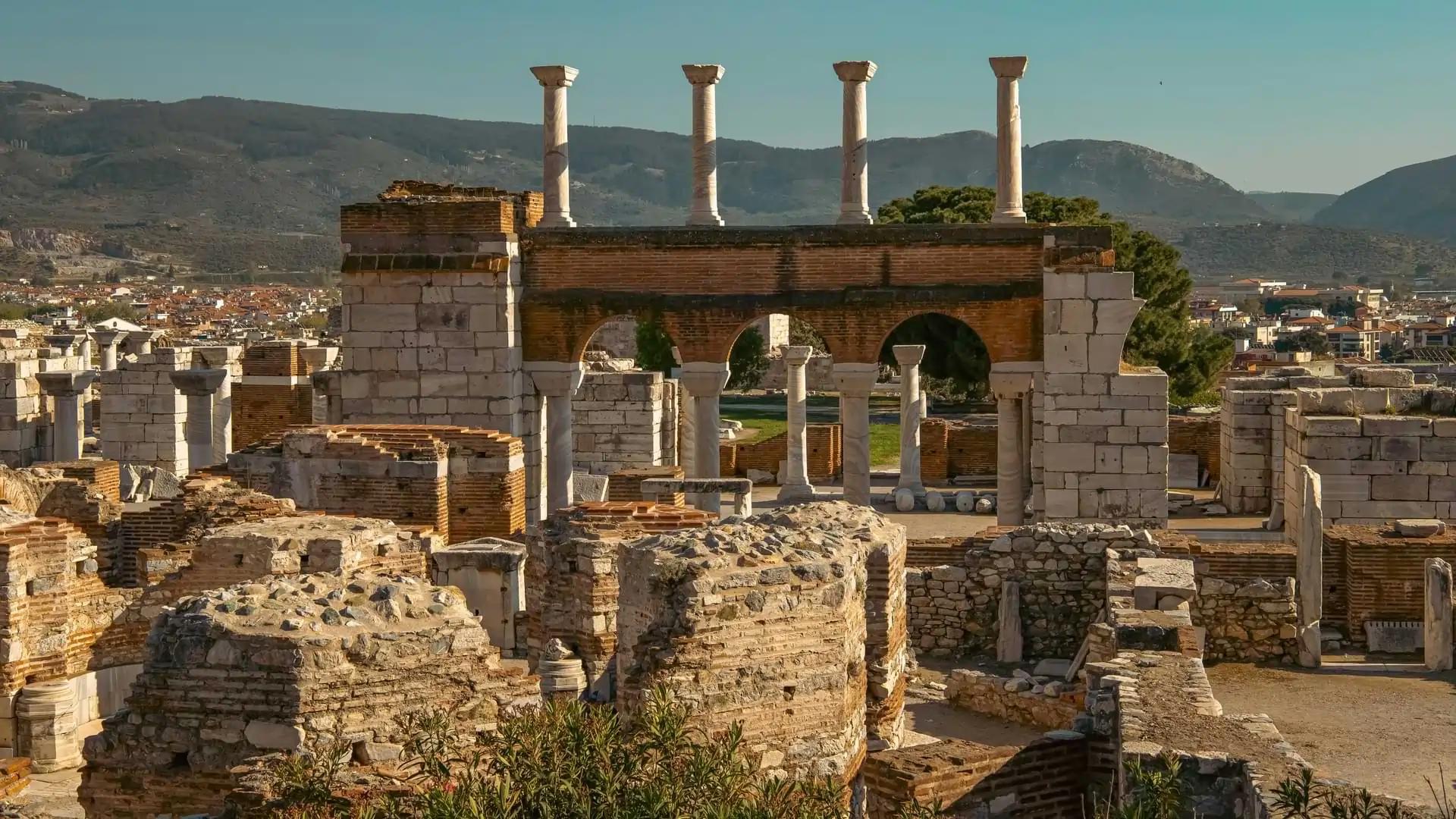
The city of Ephesus was one of the prominent centers of the Asia Minor region and boasted a massive Christian population. In the epistle Jesus Christ addressed to that church in the Book of Revelation, Ephesus is criticized for leaving its first love—or, in other words, having lost the initial passion of their faith in Christ.
In modern times, Ephesus Ancient City is a marvelous archaeological site that is extremely well-preserved. It features world-renowned highlights such as the Library of Celsus and the nearby House of the Virgin Mary. Today, visitors are able to wander around the marble streets of this ancient city and vividly visualize city life during the first century AD.
Smyrna (Izmir): The Persecuted Church
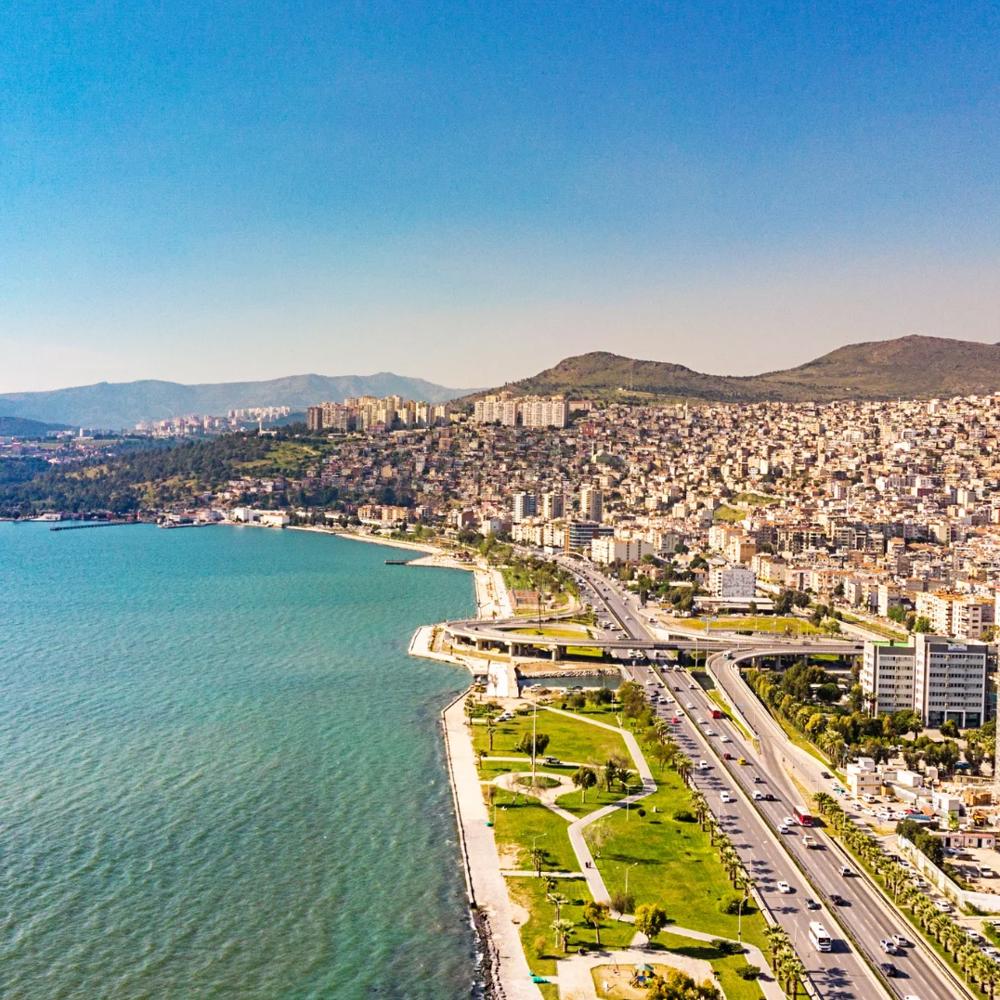
The church in Smyrna (present-day Izmir), often referred to as the Persecuted Church, was one of the very few churches that Christ did not reproach in His messages. This city was highly respected for its Christian martyrs who suffered great persecution for their beliefs.
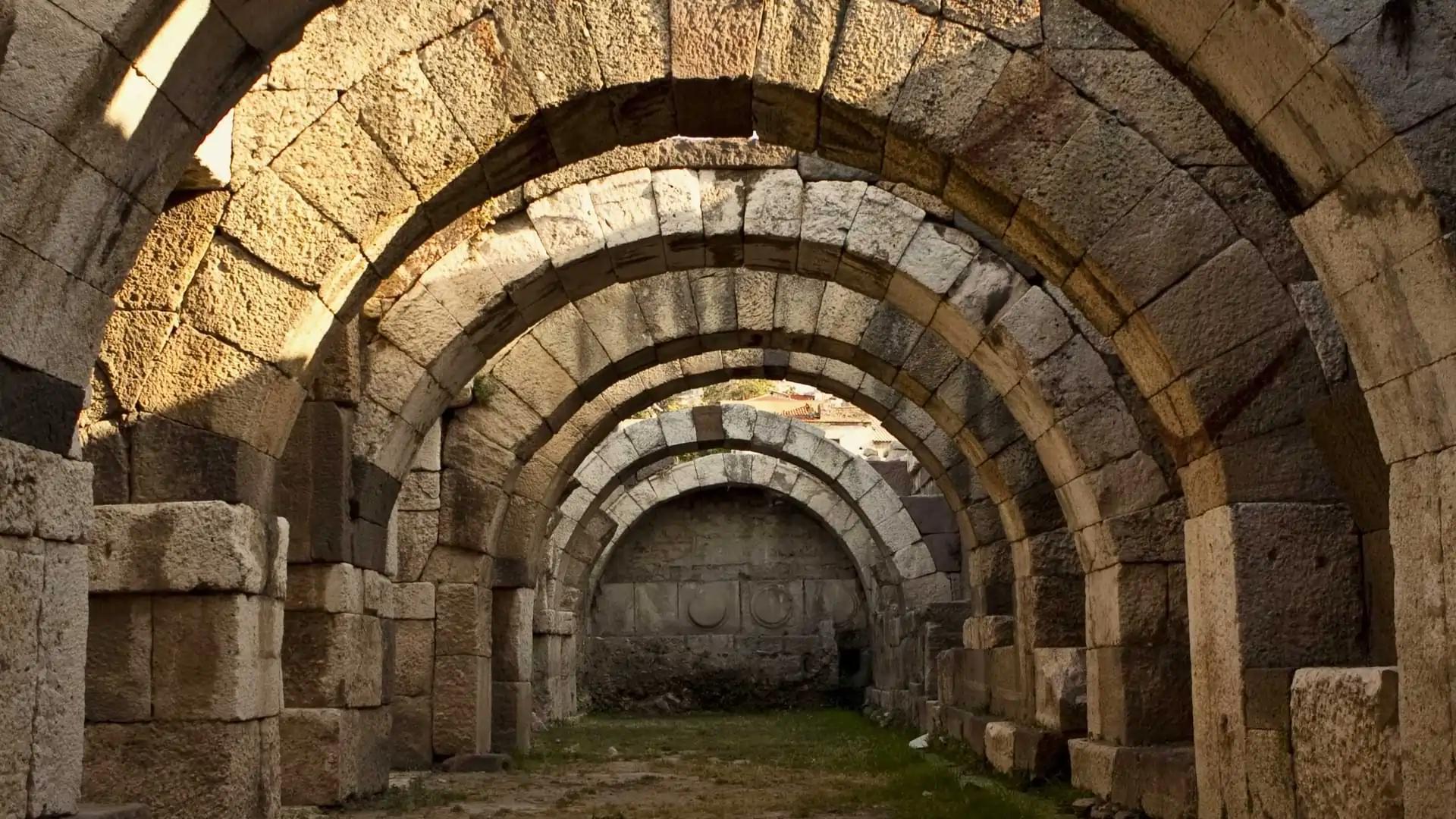
An excursion to Smyrna provides a glimpse into its enduring past. Even though contemporary Izmir encloses most of its ancient architecture, there are still crucial artifacts to see, most notably the Smyrna Ancient City and its impressive Agora. While contemplating the strength of early Christians, travelers shouldn't miss the chance to comprehend the city's rich multi-layered cultural heritage.
Pergamon: The Church of Satan's Throne
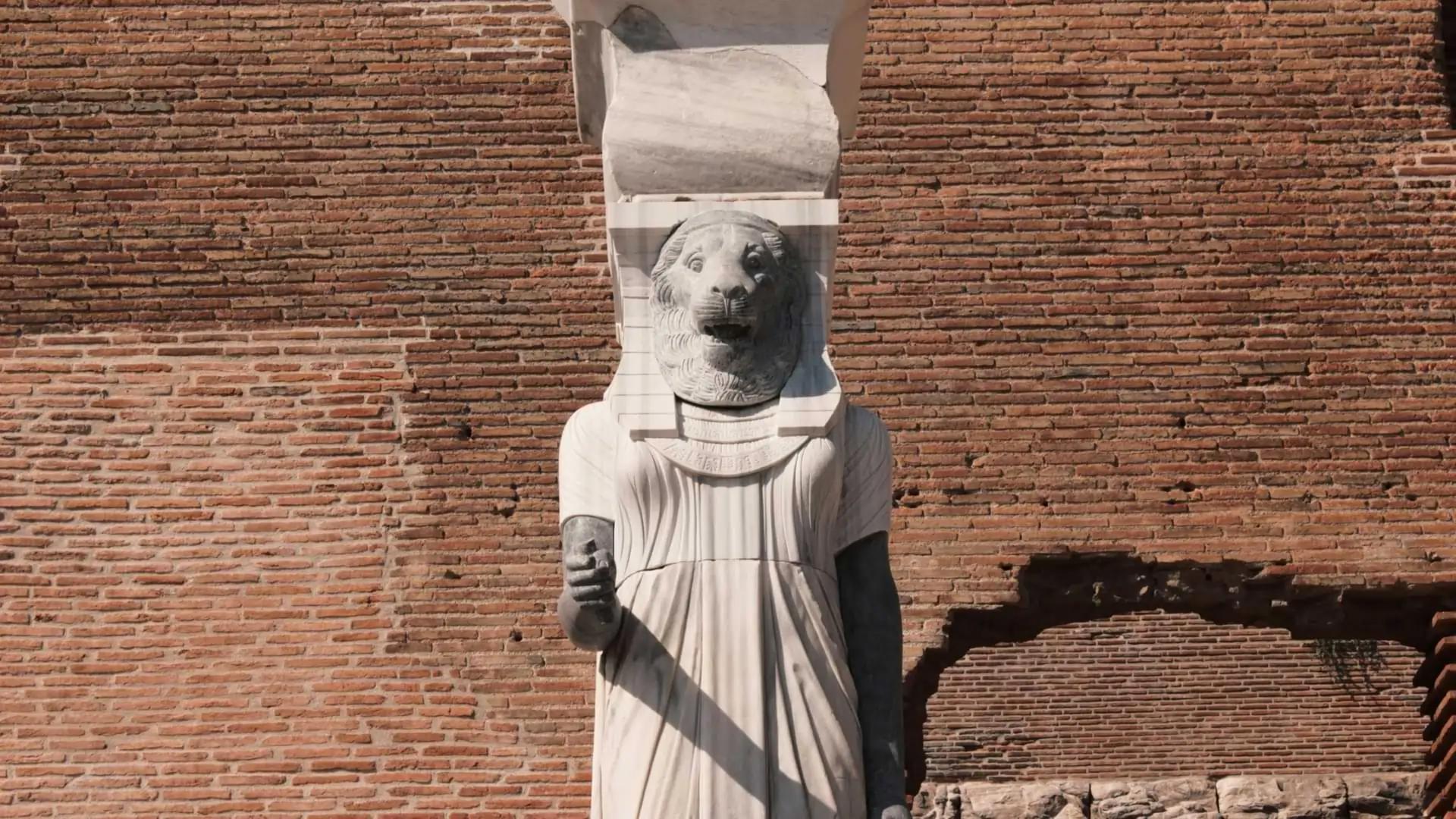
The Pergamon Kingdom was a massive political and cultural center of the Greek and Roman world. Pergamon is famously mentioned in the Book of Revelation as "the place where Satan’s throne is." This harsh title is likely due to its many imposing pagan temples, including the majestic Altar of Zeus.
The archaeological ruins of Pergamon are among the most eye-catching in Turkey, featuring the world's steepest ancient theater. Visitors can also explore the Asklepion, an ancient healing center, which offers a fascinating look at the city's dual role as both a religious hub and a medical sanctuary.
Thyatira: The Church of False Prophets
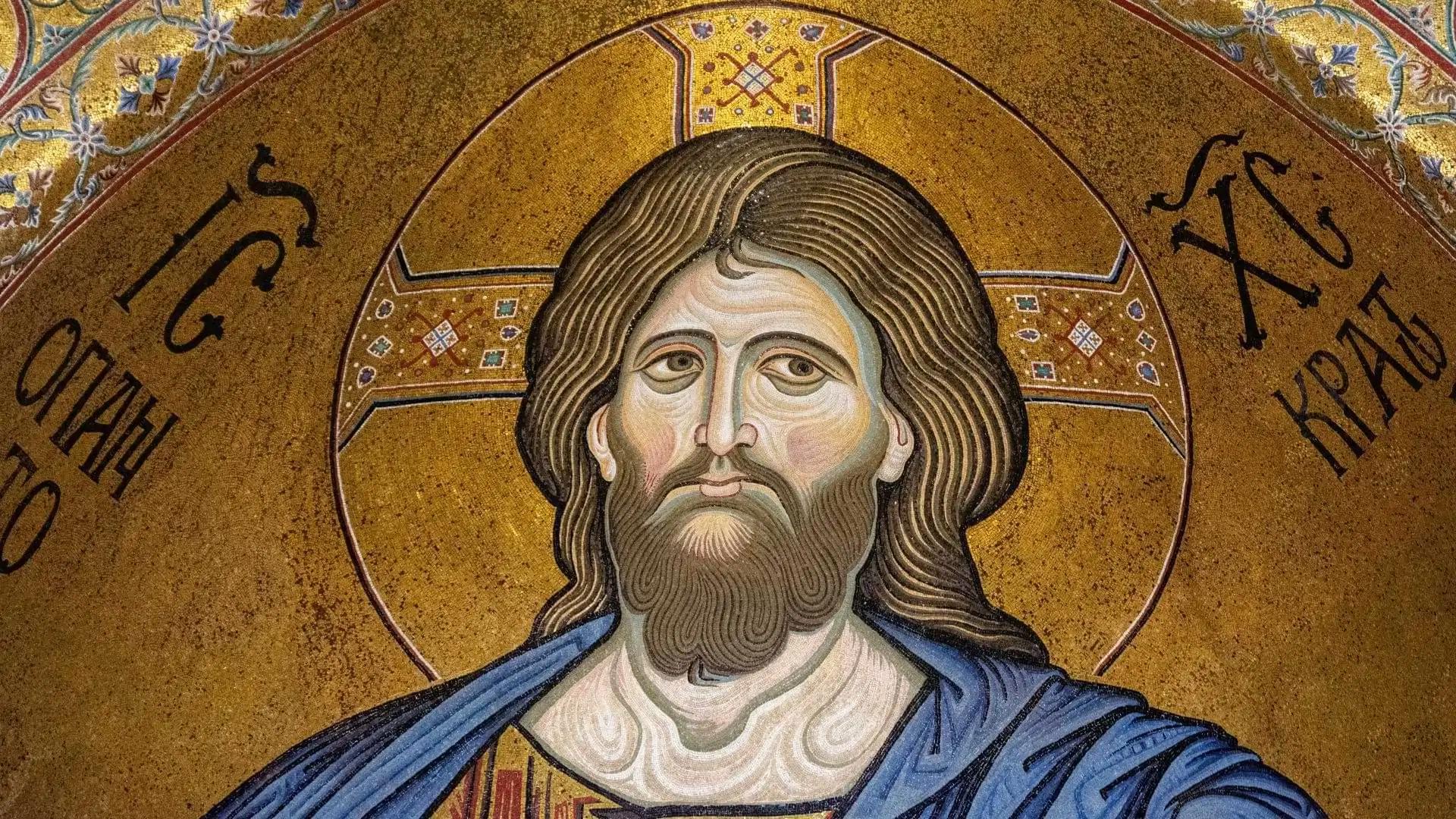
The church at Thyatira is heavily condemned in the Book of Revelation because of false prophets and the community turning away from strict moral standards. Even though Thyatira Ancient City may be less globally famous than cities like Ephesus, it held massive historical importance as an influential center of trade and guilds.
Today, nestled within the modern town of Akhisar, Thyatira remains an interesting stop for pilgrims. Visitors can examine the surviving ruins of ancient walls, colonnades, and early basilicas that have withstood the test of time.
Sardis: The Spiritually Dead Church
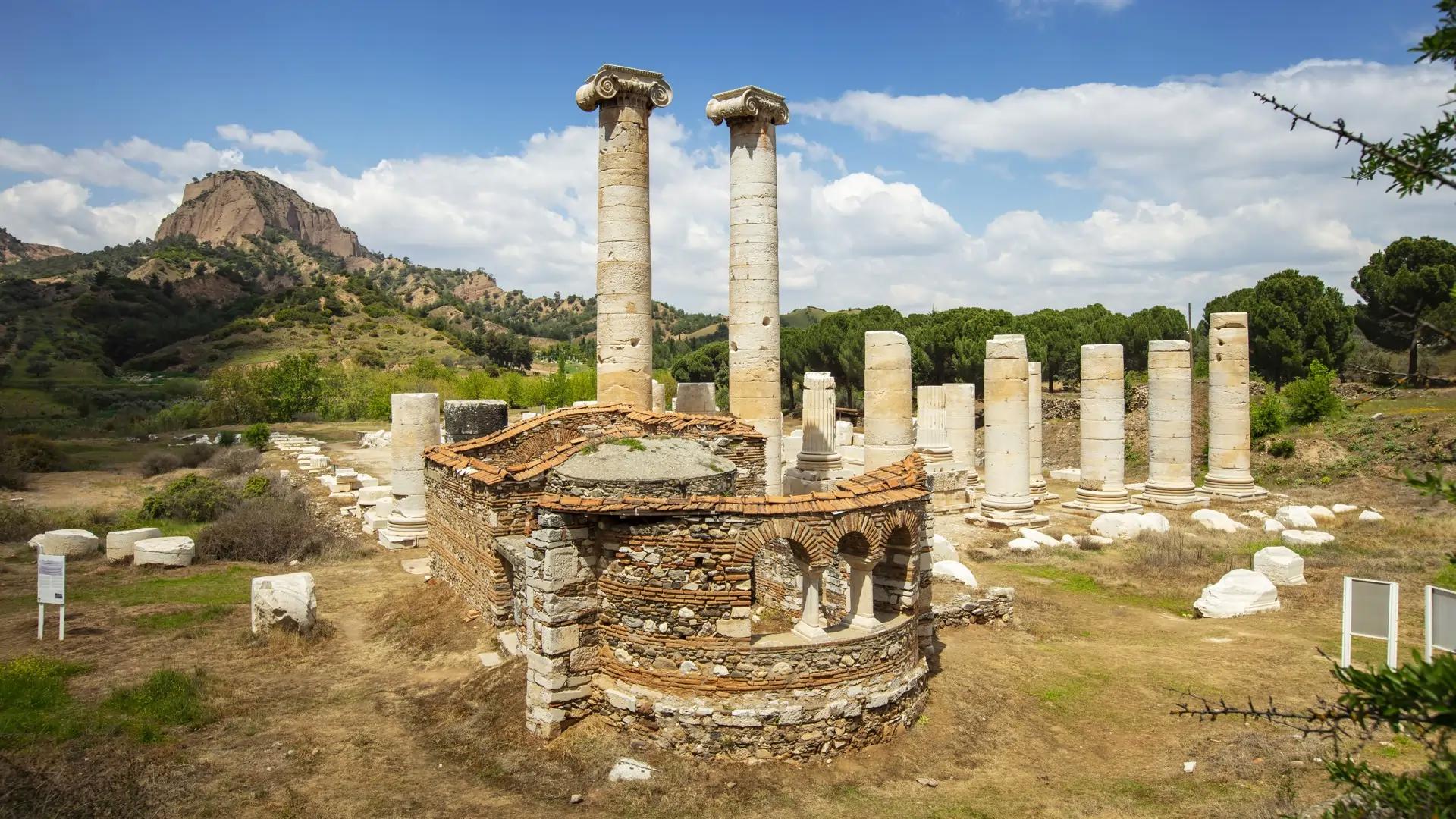
Despite bringing immense wealth to their civilization (it was the birthplace of coined money), the church of Sardis was described in the Book of Revelation as "spiritually dead." They had a reputation for being alive, but their faith was merely a facade.
Today, exploring the standing remains of the Sardis Ancient City is a visually stunning experience. Highlights include the colossal Temple of Artemis and a remarkably preserved Roman-era synagogue, which perfectly depicts the vibrant socio-religious life of the city. Sardis is a must-visit destination for anyone interested in the intersection of early Christian and Jewish history.
Philadelphia: The Faithful Church
The church in Philadelphia is highly praised for its steadfast faith, even during periods of severe suffering and weakness. The city itself, though smaller than the others, was of great importance due to its strategic location as a loyal gateway of the Christian community.
Today, visiting the Philadelphia Church ruins in modern-day Alaşehir reveals thick brick pillars belonging to a massive Byzantine basilica. It is a quiet, profound place that provides pilgrims with perfect opportunities for prayer and contemplation.
Laodicea: The Lukewarm Church
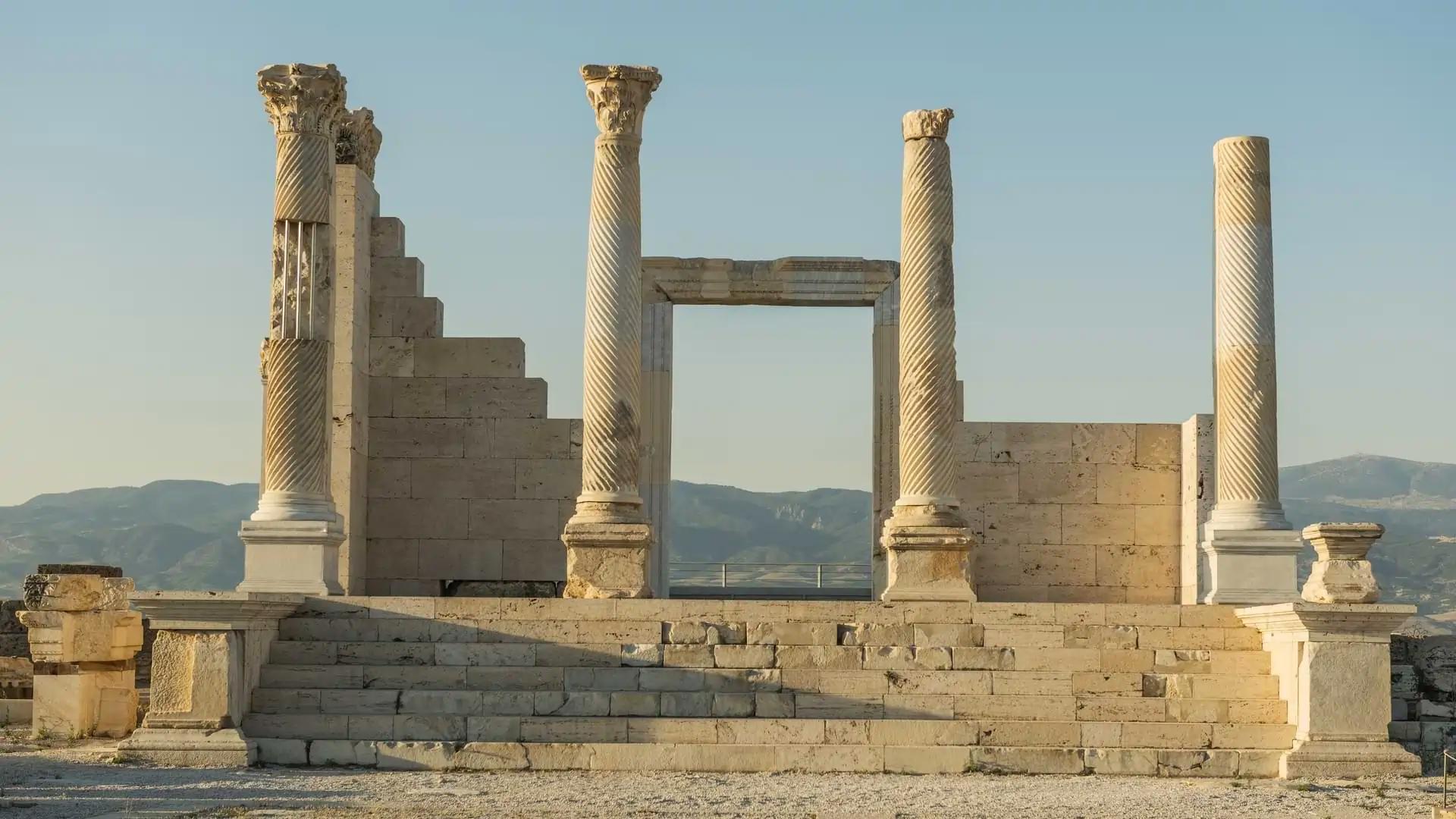
Jesus Christ famously addressed Laodicean Christians for being "neither hot nor cold, but lukewarm" when it came to their faith. The city had grown highly self-sufficient and complacent. Nevertheless, Laodicea Ancient City was historically a hub of extreme wealth, famous for its textile manufacturing, banking, and magnificent aqueduct systems.
Today, its rich archaeological remains are continuously being excavated and restored. Walking through its grand pillared streets and newly unearthed churches makes Laodicea one of the most exciting stops among The 7 Churches, especially for travelers eager to see an ancient city actively being brought back to life.
Tour Packages for Seven Churches
Are you planning a visit to the 7 Churches of Revelation? Our expert team at Istanbul Tours offers a comprehensive Christian pilgrimage tour that guides you through these profound historical and spiritual landmarks.
What makes this journey truly special is exploring alongside a professional, knowledgeable private guide. Furthermore, our operations team offers complete customization options to ensure the itinerary perfectly matches your physical pace, spiritual needs, and schedule.
🎒 Ready to Trace the Footsteps of Early Christians?
Embark on a profound spiritual and historical journey across Turkey. Let our local experts handle every detail of your biblical pilgrimage for a stress-free experience.
Contact us today to arrange:
- Expert Biblical Guides: Gain deep insights into the historical and spiritual context of the Book of Revelation.
- Tailored Private Itineraries: Customize your pace and focus, ensuring a comfortable and deeply personal experience.
- Seamless Logistics: Enjoy luxury transportation, premium accommodations, and stress-free travel between the ancient sites.
Frequently Asked Questions (FAQ)
How many days are needed to visit all 7 Churches of Revelation?
Typically, a comprehensive tour takes about 3 to 4 days. This allows ample time to comfortably travel between the Aegean and inland regions and thoroughly explore major archaeological ruins like Ephesus, Pergamon, and Laodicea.
Where are the 7 Churches of Revelation located today?
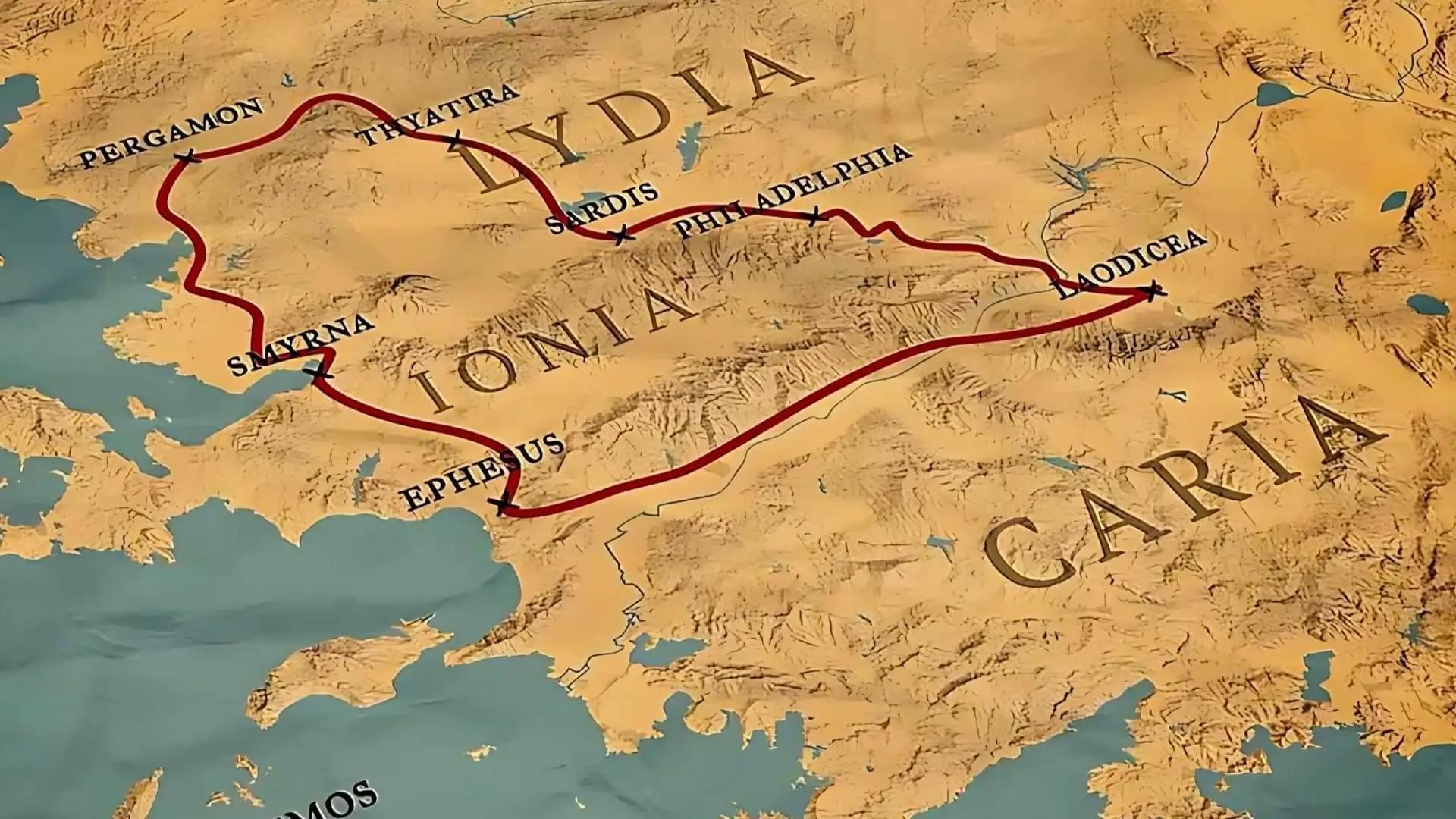
All seven historical churches are located within the borders of modern-day Turkey. They are situated in the western part of the country, primarily spread across the Aegean region near cities such as Izmir, Manisa, and Denizli.
What is the best time of year to take a Biblical tour in Turkey?
Spring (April to June) and Autumn (September to November) offer the absolute best weather. During these months, the temperatures are mild, making outdoor walking and exploring the ancient ruins much more enjoyable compared to the peak heat of summer.
Leave a Comment
How many days are needed to visit all 7 Churches of Revelation?
Typically, a comprehensive tour takes about 3 to 4 days. This allows ample time to comfortably travel between the Aegean and inland regions and thoroughly explore major archaeological ruins like Ephesus, Pergamon, and Laodicea.
Where are the 7 Churches of Revelation located today?
All seven historical churches are located within the borders of modern-day Turkey. They are situated in the western part of the country, primarily spread across the Aegean region near cities such as Izmir, Manisa, and Denizli.
What is the best time of year to take a Biblical tour in Turkey?
Spring (April to June) and Autumn (September to November) offer the absolute best weather. During these months, the temperatures are mild, making outdoor walking and exploring the ancient ruins much more enjoyable compared to the peak heat of summer.