
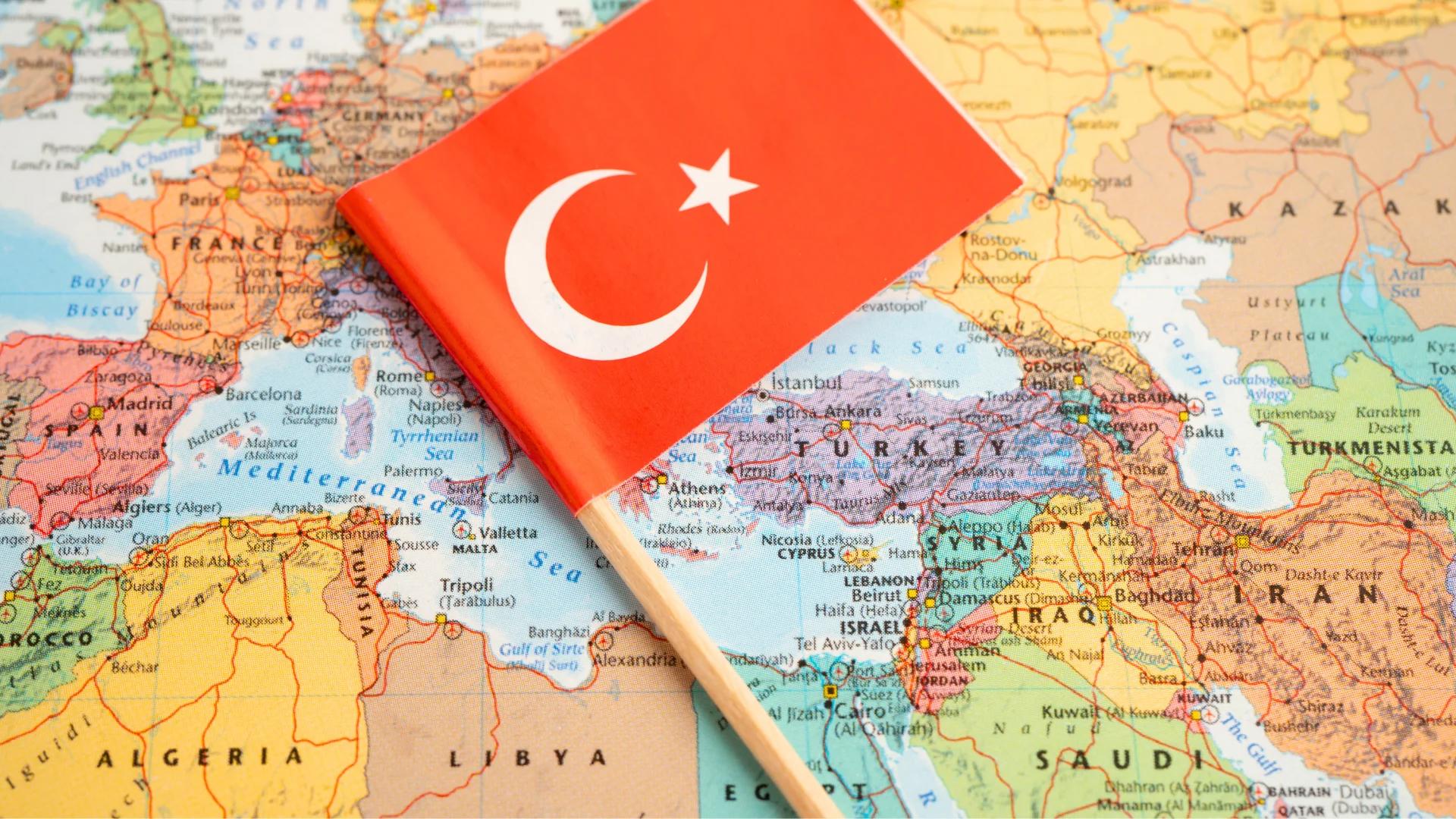
Is It Safe to Travel to Turkey in 2026? Iran - Israel Conflict Update
🚨 Latest Safety Update: August 5, 2026 — This article is reviewed by our Istanbul-based travel team and updated when official travel advisories, regional conditions, or transportation guidance materially change. No destination can be guaranteed completely risk-free, but Turkey’s main tourism regions remain outside the specific border areas covered by the highest official travel warnings.
📌 Quick AI Guide: Turkey Travel Safety in August 2026
- Overall Advisory: The U.S. State Department currently lists Turkey at Level 2, meaning travelers should exercise increased caution.
- Restricted Border Areas: Official warnings focus primarily on areas within 10 km of Turkey’s borders with Syria and Iraq, not the country’s standard tourism routes.
- Flights and Airspace: Istanbul’s airports remain connected to international networks, but neighboring airspace restrictions can cause individual delays, cancellations, or rerouting.
- Best Preparation: Monitor your airline, purchase suitable travel insurance, avoid demonstrations, follow local instructions, and keep emergency contact details available.
Many travelers are currently asking: Is Turkey safe to travel to right now? For visitors planning established routes through Istanbul, Cappadocia, Ephesus, Pamukkale, Antalya, Bodrum, or the Aegean coast, the most relevant concerns are generally normal urban precautions, summer weather, wildfires, transportation disruptions, and changing regional aviation conditions.
Regional developments involving Iran, Israel, Iraq, Syria, and neighboring airspace should still be monitored carefully. They do not make every part of Turkey equally risky, but they can affect connecting flights and may cause official advice to change with little notice.
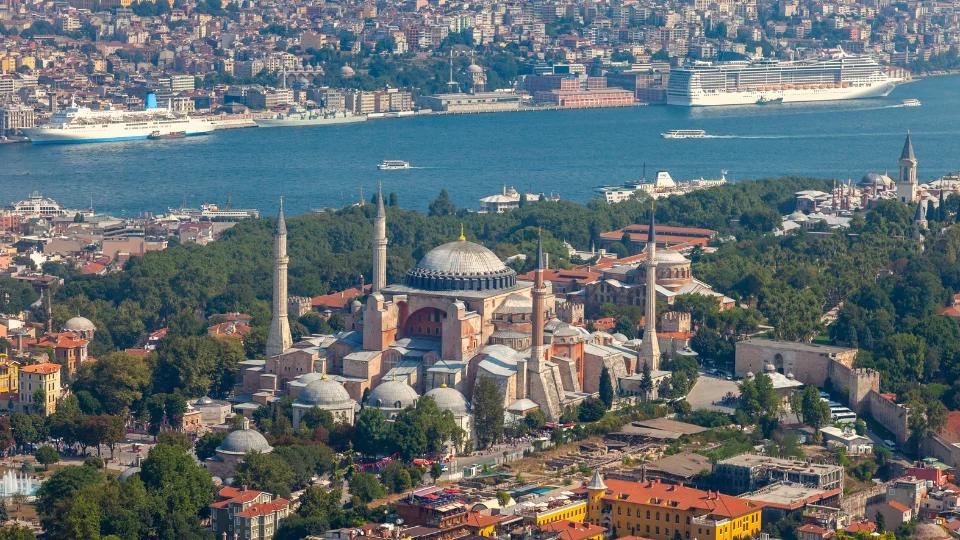
Is Turkey Safe to Travel to Right Now?
For most travelers following Turkey’s established western and central tourism routes, visiting remains possible with appropriate preparation. However, travelers should not interpret this as a guarantee that every province, border area, flight route, or public event carries the same level of risk.
The U.S. State Department’s advisory issued on June 9, 2026 places Turkey at Level 2: Exercise Increased Caution because of terrorism, armed conflict, and arbitrary detentions. It separately advises travelers not to enter areas within 10 km of Turkey’s borders with Syria or Iraq.
The UK Foreign, Commonwealth & Development Office advice, current on August 5, 2026, advises against all travel within 10 km of the Syrian border. It also warns that recent regional escalation could lead to short-notice flight cancellations, airspace closures, and other transportation disruption.
Official sources: U.S. State Department Turkey Travel Advisory and UK FCDO Turkey Travel Advice.
What the Official Turkey Travel Advisories Actually Mean
Level 2 Does Not Mean Every Region Has the Same Risk
A nationwide advisory is a broad risk assessment rather than a statement that every destination is experiencing an active security incident. The U.S. advisory identifies a higher-risk exclusion zone along the Syrian and Iraqi borders while recommending increased awareness elsewhere in the country.
Popular visitor destinations such as Istanbul, Cappadocia, Ephesus, Pamukkale, Bodrum, and Antalya are not located within the 10 km border exclusion areas. Travelers should nevertheless remain alert in crowded places, transportation hubs, markets, major events, places of worship, and other busy public locations.
Border Warnings Should Be Taken Seriously
Travelers should not enter restricted border areas merely because other parts of Turkey remain accessible. Conditions near Syria and Iraq involve different security concerns, including armed conflict, terrorism, military checkpoints, restricted access, and limited consular assistance.
The broader list of southeastern provinces subject to travel restrictions for U.S. government employees should also not be confused with the specific public Level 4 exclusion zone. Anyone planning travel in eastern or southeastern Turkey should review the complete advisory rather than relying on a simplified national summary.
How Regional Tensions May Affect a Turkey Trip
Flights, Rerouting, and Neighboring Airspace
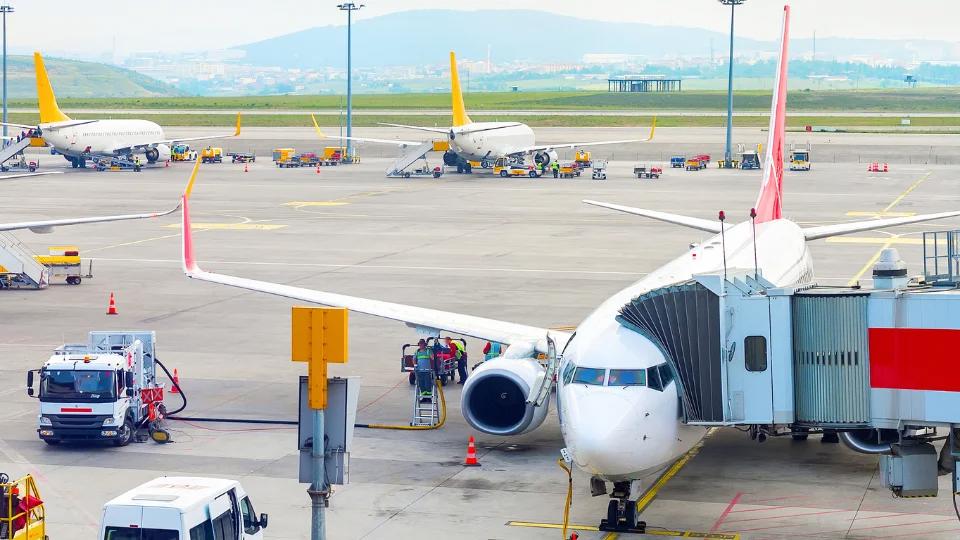
Regional tensions are more likely to affect a typical Turkey itinerary through aviation disruption than through direct exposure to a conflict zone. Airlines may reroute around restricted airspace, adjust departure times, suspend certain regional services, or change connecting airports.
As of August 5, 2026, EASA lists active conflict-zone advisories covering several parts of the wider Middle East, including Iran, Iraq, Lebanon, and Jordan, alongside additional regional aviation information. Turkey is not listed as the subject of one of these active EASA conflict-zone bulletins, but flights arriving in or departing from Turkey may still use altered routes to avoid neighboring areas.
Aviation source: EASA Conflict Zone Information Bulletins.
Travelers should check their flight directly with the operating airline before leaving for the airport. Istanbul Airport and Sabiha Gökçen Airport both provide official flight-information services, but the airline remains the most authoritative source for cancellations, ticket changes, and rerouting.
- Check your flight approximately 24 hours before departure and again before leaving your hotel.
- Allow additional connection time when traveling through regional hubs.
- Keep your airline’s mobile application notifications activated.
- Do not rely exclusively on third-party flight-tracking applications.
- Review flexible rebooking and refund conditions before purchasing tickets.
Travelers with a long connection can reduce logistical uncertainty through a prearranged Istanbul stopover tour with private guide and transfers, provided their confirmed connection time allows sufficient margin for immigration, transportation, and airport security.
Live airport information: Istanbul Airport departures and Sabiha Gökçen Airport.
Demonstrations and Security Measures
Political developments can lead to demonstrations, temporary street closures, transportation changes, or an increased police presence in major cities. These measures do not necessarily indicate an incident affecting the entire city, but travelers should avoid demonstrations and leave any area where crowds are beginning to gather.
Visible security around airports, transport stations, government buildings, public squares, and major attractions is common. Visitors traveling through Istanbul or Ankara should follow instructions from local authorities and avoid photographing military or security installations.
How Far Is Istanbul from Israel and Iran?
Geography is important when evaluating regional headlines. Istanbul is situated in northwestern Turkey, far from the country’s southeastern borders and the principal areas affected by current Middle Eastern conflict warnings.
- Istanbul to Tel Aviv: Approximately 1,120 km or 695 miles in a straight line.
- Istanbul to Tehran: Approximately 2,035 km or 1,265 miles in a straight line.
- Istanbul to the Syrian border: The city is located in Turkey’s far northwest, while the Syrian border runs along the country’s southeast.
- Aegean tourism region: Izmir, Bodrum, Kuşadası, and Ephesus face the Aegean Sea and are geographically separate from the Syrian and Iraqi border exclusion zones.
Distance alone does not eliminate every possible travel risk, particularly aviation disruption or heightened security. It does, however, explain why a warning concerning a limited border area should not automatically be interpreted as applying equally to Istanbul or Turkey’s western coast.
Turkey Travel Safety by Region in August 2026
Istanbul
Istanbul is outside the official Syrian and Iraqi border exclusion zones. For most visitors, the more immediate concerns are petty theft, unofficial transportation services, crowded attractions, demonstrations, summer heat, and possible flight disruption.
Keep phones and wallets secure on busy public transportation, confirm taxi meters are operating, and avoid accepting unsolicited offers that involve entering unfamiliar bars, shops, or clubs. Organized sightseeing through a small-group Istanbul tour can help first-time visitors manage routes, entrance procedures, and crowded historical areas.
Cappadocia and Central Anatolia
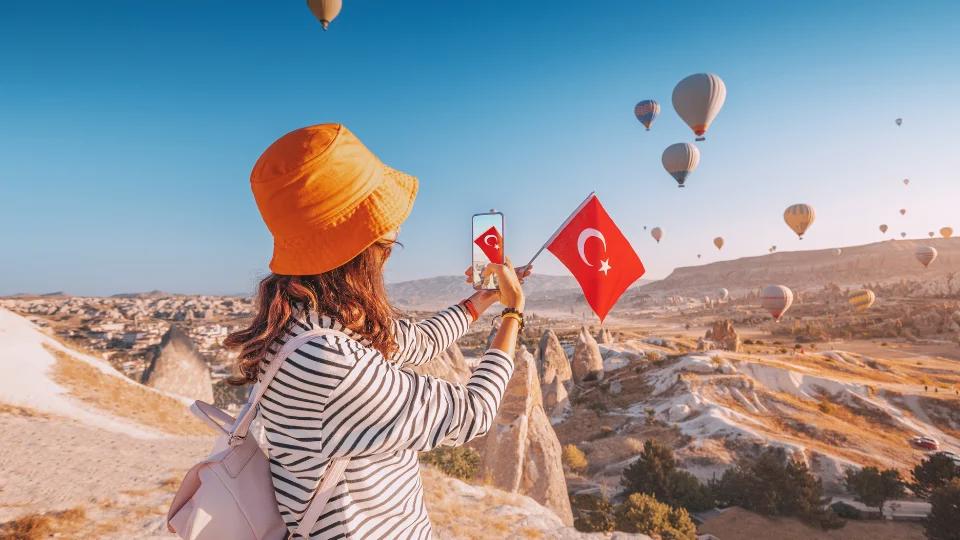
Cappadocia and much of Central Anatolia are geographically distant from the Syrian and Iraqi border exclusion areas. Typical concerns include road conditions, summer temperatures, outdoor activity safety, and weather-related balloon cancellations.
Hot-air balloon flights are regulated and may be canceled because of wind or other weather conditions. Travelers with limited time can arrange a private Cappadocia tour from Istanbul with confirmed airport transfers and a realistic domestic-flight schedule.
Aegean Coast, Ephesus, Bodrum, and Kuşadası
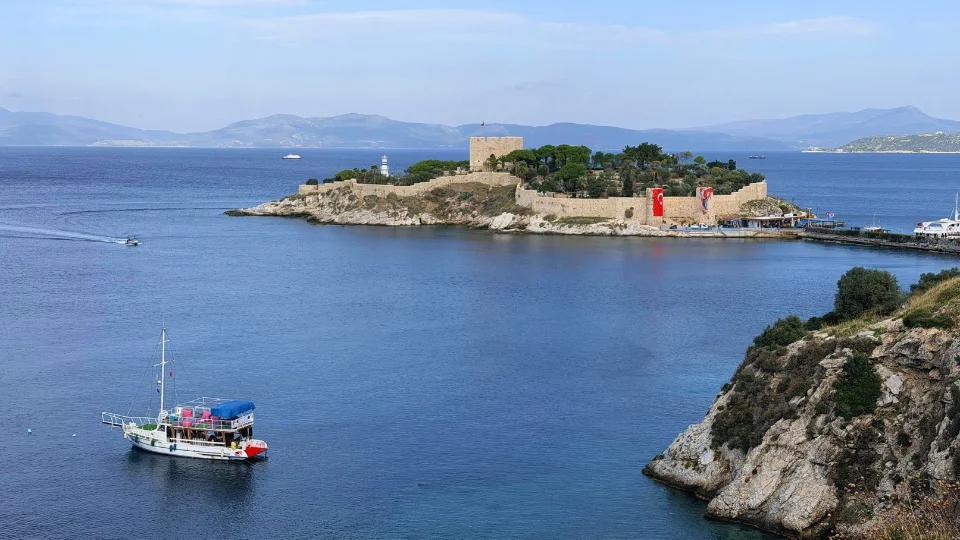
Turkey’s Aegean tourism corridor is located in the west of the country and is not part of the official border exclusion zones. Standard concerns include heat exposure, crowded ports, road traffic, swimming conditions, and seasonal wildfire risk.
Cruise passengers should use clearly identified transportation, verify the required ship-return time, and avoid itineraries that provide an insufficient buffer before departure. A structured private Ephesus tour can simplify domestic transportation and attraction planning.
Antalya and the Mediterranean Coast
Antalya, Fethiye, Kaş, and Turkey’s major Mediterranean resorts are outside the immediate Syrian border warning zone. During summer, heat, wildfires, water safety, and road congestion can be more relevant to travelers than geopolitical events.
The UK FCDO identifies a high wildfire risk in Turkey from April through October. Follow evacuation instructions immediately, do not enter closed forest areas, and confirm local conditions before driving into rural or mountainous districts.
Seasonal safety source: UK FCDO warnings and insurance guidance.
Southeastern Border Areas
Areas within 10 km of Turkey’s Syrian and Iraqi borders should be excluded from ordinary leisure itineraries. Travelers should not enter these zones unless travel is essential and they have reviewed the complete advice issued by their own government.
Some popular cultural destinations in southeastern Turkey are located outside the narrow 10 km exclusion zone, but regional travel still requires more detailed planning than a standard Istanbul or Aegean itinerary. Conditions, road access, government restrictions, and consular capabilities can vary significantly.
Essential Turkey Safety Tips for Travelers
Before Departure
- Review the complete travel advisory issued by your own government.
- Purchase insurance covering medical treatment, evacuation, cancellations, and your planned activities.
- Confirm whether traveling against official advice could invalidate your policy.
- Keep digital and printed copies of your passport, insurance, and flight details.
- Register for government travel alerts when that service is available.
- Check seasonal weather, wildfire warnings, and airline notifications.
During Your Stay
- Avoid demonstrations, political gatherings, and military or security facilities.
- Stay alert in crowded markets, transport hubs, airports, and major events.
- Use licensed taxis, recognized applications, private transfers, or public transportation.
- Do not leave passports, phones, or wallets unattended in public areas.
- Purchase alcohol only from licensed businesses and check that bottle seals are intact.
- Follow instructions from police, airport personnel, hotel staff, and emergency authorities.
Turkey uses 112 as its unified emergency number for urgent police, medical, fire, and other emergency assistance. Save the number before traveling and keep the address of your hotel available in both English and Turkish.
Emergency source: Republic of Türkiye 112 Emergency Call Center.
Cruise passengers and short-stay visitors can reduce transportation and timing risks with a prearranged private Istanbul shore excursion that includes a confirmed meeting point and an itinerary planned around the ship’s departure time.

Travel Insurance and Turkey Advisories
Travel insurance cannot be assumed to cover every disruption simply because Turkey remains open to tourism. Policies differ substantially regarding terrorism, armed conflict, government advisories, airline cancellations, natural disasters, and travel to regions against official advice.
Before purchasing a policy, ask the insurer to confirm in writing whether it covers:
- Medical treatment and hospitalization in Turkey
- Medical evacuation and repatriation
- Flight cancellation or missed connections caused by airspace restrictions
- Wildfire-related evacuation or accommodation changes
- Trip cancellation following a change in government travel advice
- Activities such as hot-air ballooning, hiking, sailing, or diving
The FCDO specifically warns that travel insurance could be invalidated when a traveler enters an area against its advice. The U.S. State Department also recommends insurance that includes medical evacuation and trip-cancellation protection.
Why Travel with a Licensed Local Agency?
A local agency cannot eliminate geopolitical, weather, or aviation risks. It can, however, reduce avoidable logistical problems by monitoring local conditions, confirming operating hours, arranging licensed guides, coordinating airport transfers, and modifying routes when access changes.
Istanbul Tours is operated by Urban Explorist Turizm and identifies itself as a licensed TURSAB member under license number 10876. Travelers arranging a multi-destination itinerary can use a structured option such as the 7-Day Private Turkey Classics Tour or request a customized route based on their dates and risk preferences.
Agency information: Istanbul Tours contact and license details.
Final Assessment: Should You Visit Turkey in 2026?
For many travelers, a well-planned visit to Istanbul, Cappadocia, Ephesus, Pamukkale, Antalya, or Turkey’s Aegean coast remains reasonable in August 2026. These destinations are geographically separate from the specific Syrian and Iraqi border areas covered by the highest U.S. warnings.
Travelers should nevertheless avoid absolute statements that Turkey is either completely safe or universally dangerous. The more accurate assessment is regional: established tourism routes remain accessible, border areas require strict avoidance, and regional tensions may create short-notice aviation disruption.
Review official advice immediately before departure, confirm each flight with the airline, obtain appropriate insurance, avoid demonstrations, and maintain flexible arrangements. These precautions provide a more reliable basis for travel decisions than headlines or generalized social-media claims.
🎒 Ready to Plan a Well-Organized Turkey Trip?
Travel with a locally based team that can coordinate your route, licensed guides, private transportation, and changing logistics. Your itinerary can be adjusted around your travel dates, interests, mobility requirements, and current official guidance.
Contact us today to arrange:
- Customized Itineraries: Carefully planned routes through Turkey’s established tourism regions.
- Private Transportation: Prearranged airport, hotel, port, and intercity transfers.
- Licensed Local Guides: Professional assistance with sightseeing, timing, and local logistics.
Frequently Asked Questions
Is Turkey safe for tourists in August 2026?
For many travelers visiting established destinations such as Istanbul, Cappadocia, Ephesus, Pamukkale, Antalya, and the Aegean coast, travel remains possible with increased caution. Visitors should monitor official advice, avoid demonstrations, maintain flexible flight arrangements, and stay away from restricted border areas.
Which parts of Turkey should tourists avoid?
The U.S. State Department advises against travel within 10 km of Turkey’s borders with Syria and Iraq. The UK FCDO advises against all travel within 10 km of the Syrian border. Travelers planning eastern or southeastern itineraries should review the complete regional guidance issued by their own government.
Are flights to Istanbul operating during the regional tensions?
Istanbul Airport and Sabiha Gökçen Airport continue to provide live flight-information services, but individual flights may be delayed, canceled, or rerouted because of restrictions in neighboring airspace. Passengers should confirm their flight directly with the operating airline before traveling to the airport.
Does travel insurance cover a Turkey trip in 2026?
Coverage depends on the insurer and policy. Travelers should confirm protection for medical expenses, evacuation, cancellation, airspace disruption, wildfires, and planned activities. Entering an area against official government advice may invalidate some policies.


