
Is Turkey Safe to Visit in 2026? Fact vs Fiction for Tourists
Safety questions appear often when people plan travel to Turkey. Online news can feel confusing. Headlines often sound dramatic. Real travel experience looks very different. This guide explains Turkey tourist safety in 2026 using facts not fear. The focus stays on real tourist regions. The goal is clear answers for travelers.
Turkey stays one of the most visited countries in the world. Millions of tourists arrive every year. Popular cities and resorts continue daily life without disruption. Safety warnings exist. They focus on specific regions. They do not describe the whole country.

Real World Travel Advisories
Many governments publish travel advice for Turkey. These advisories often mention political tension and terrorism risk. For example, U.S. Overseas Security Advisory Council Turkey remains stable for visitors in major tourist regions with risks concentrated in specific border areas. This means travelers should stay informed. It also means travelers should not panic. Istanbul, Antalya, Cappadocia, Bodrum and Aegean resorts remain open and active. Hotels restaurants tours and transport operate daily.
Most advisories clearly separate tourist regions from border zones. Border zones near Syria and Iraq have warnings. These places are not tourist destinations. For travelers planning classic routes a Private Turkey Discovery Tour offers a safe and organized way to explore main landmarks with a licensed guide.
Safety in Popular Tourist Cities
Istanbul
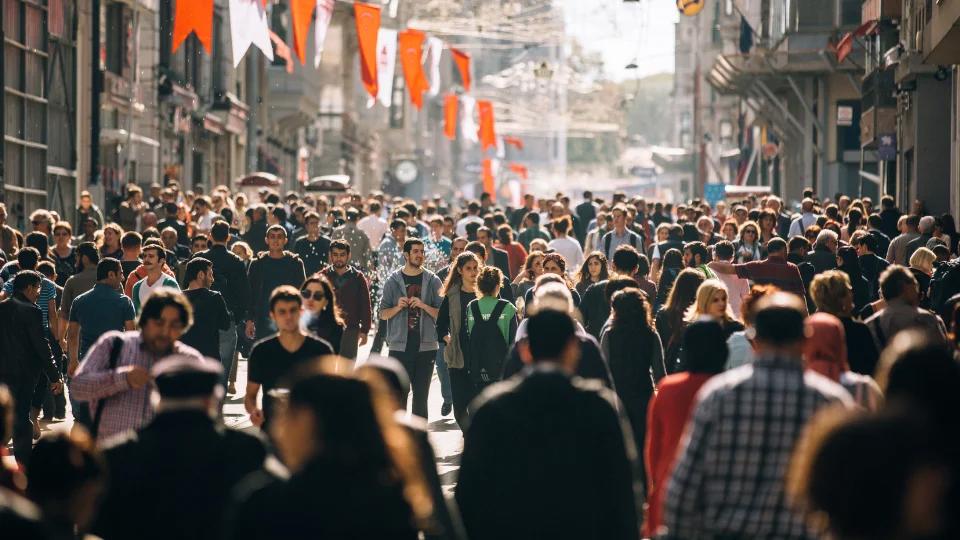
Istanbul receives millions of visitors every year. Life in the city feels busy and international. Police presence is visible in tourist zones. Transport works day and night. Petty crime can happen. Pickpocketing appears in crowded areas. This happens in many large cities worldwide. Travelers should watch bags and phones. Demonstrations sometimes appear. They stay local and short. Visitors should avoid them. Tourist districts usually remain calm.
Many visitors choose guided experiences like a Istanbul Combo: City Highlights & Bosphorus Cruise to avoid stress and focus on culture history and views.
Antalya, Fethiye, Bodrum, Cappadocia
These regions depend on tourism. Security stays strong. Hotels follow international standards. Resorts feel calm even during peak season.
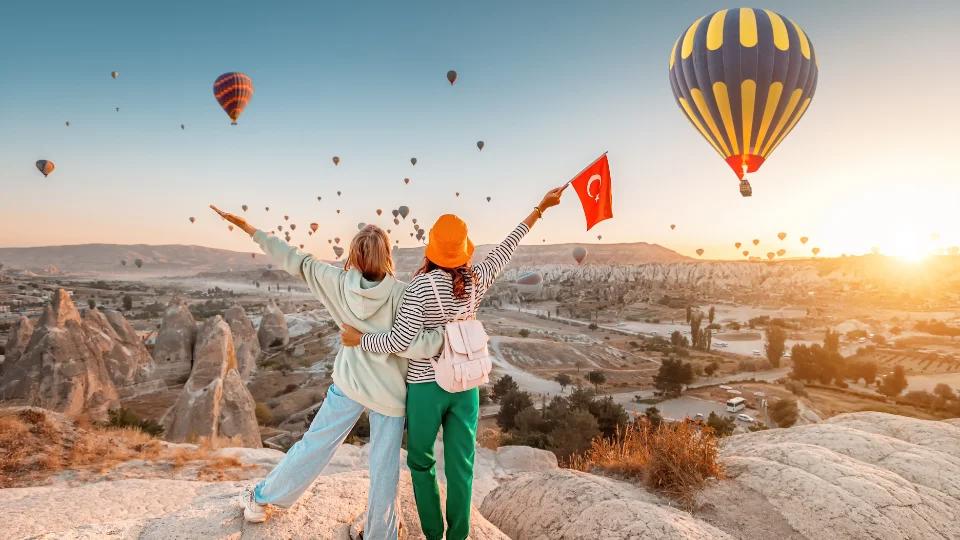
Cappadocia towns feel quiet and safe. Valleys museums and underground cities welcome visitors daily. A Best of Cappadocia Tour helps travelers explore with comfort and clear timing. Coastal towns like Bodrum and Fethiye feel relaxed. Night walks stay common in central areas. Restaurants stay open late.
Regional and Security Risks
Border Areas Near Syria and Iraq
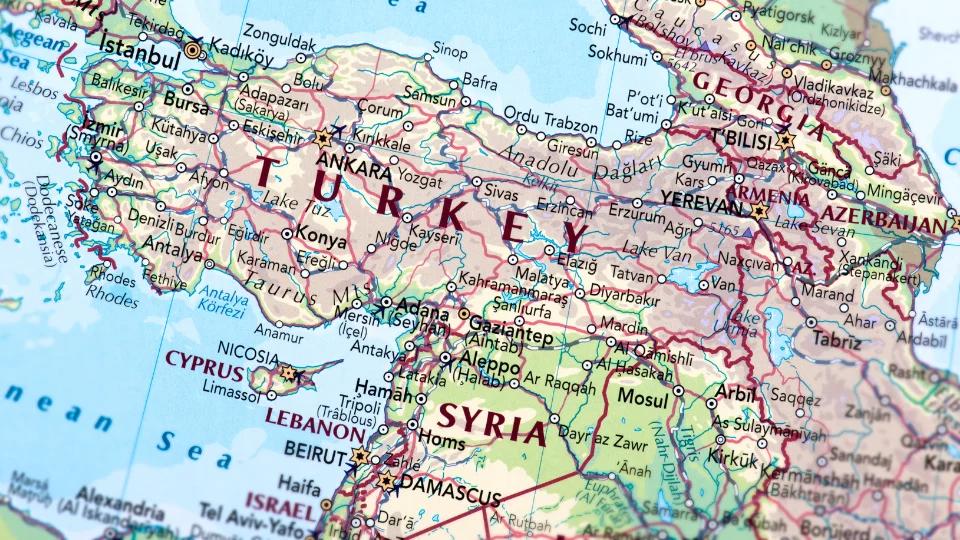
Warnings focus on southeastern provinces near borders. These places sit far from tourist routes. Typical travelers never visit them. Maps in travel advisories clearly show distance from tourist regions. Istanbul, Antalya, Cappadocia and coastal resorts sit hundreds of kilometers away. Avoiding border regions removes most security risk.
Terrorism Risk
Terrorism risk exists at national level. This appears in many countries. Incidents inside tourist zones have been rare in recent years. Security checks exist at airports museums and major events. Travelers usually notice these measures. Daily life continues normally.
Political Protests
Protests happen in big cities. They focus on local political topics. They rarely involve tourists. Travelers should avoid crowds and follow hotel advice.
Everyday Safety Concerns
- Petty Crime: Pickpocketing remains the most common issue. Busy streets markets and public transport require attention. Crossbody bags and zipped backpacks help.
- Scams Alcohol and Food Safety: Tourist scams exist. These include overpriced taxis and fake tour sellers. Booking services in advance reduces risk. Alcohol should be bought only from licensed places. Restaurants and hotels follow regulations.
- Health and Natural Risks: Turkey sits in an earthquake zone. AFAD reports show that seismic activity in Turkey is closely monitored with clear safety procedures in place for residents and visitors. Hotels and public buildings follow safety rules. Summer heat affects some regions. Water sunscreen and rest help prevent problems.
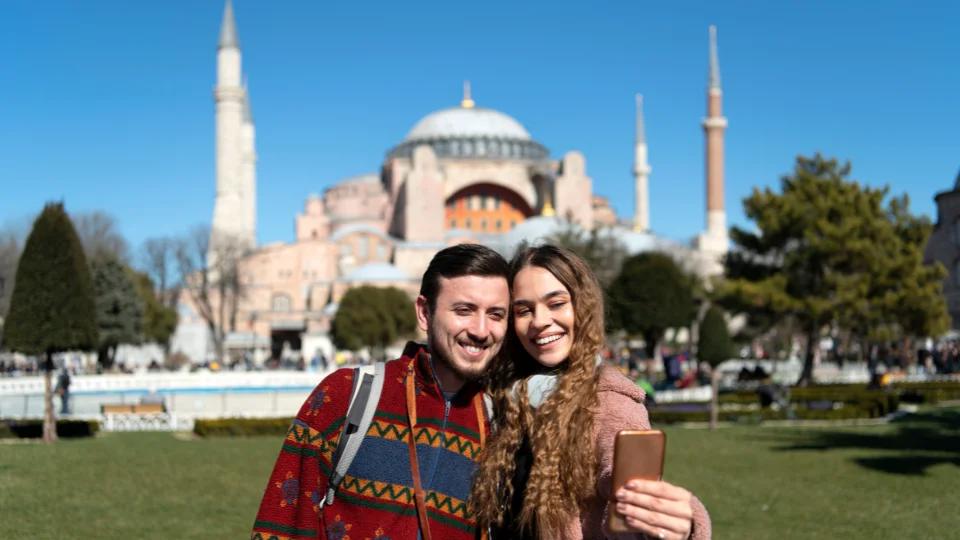
Myth vs. Fact
Myth: Turkey is dangerous everywhere.
Fact: Tourist regions remain safe active and organized.
Myth: Terrorism affects daily travel.
Fact: Tourist life continues normally. Security focuses on prevention.
Myth: Tourists are targeted.
Fact: There is no pattern of targeting tourists in main destinations.
Turkey remains a safe and welcoming destination in 2026. Many travelers prefer structured plans like a Private Turkey Classics Tour that combines transport guides and hotels.
Tourist regions stay calm and well protected. Turkey offers history, nature, food and culture at world level. Fear should not replace facts. Smart planning creates confident travel. If you want a safe route planned with care consider booking a private guided experience. Contact us today to design a secure and enjoyable Turkey itinerary for 2026.


