St. Paul’s Journey in Turkey: History and Key Sites
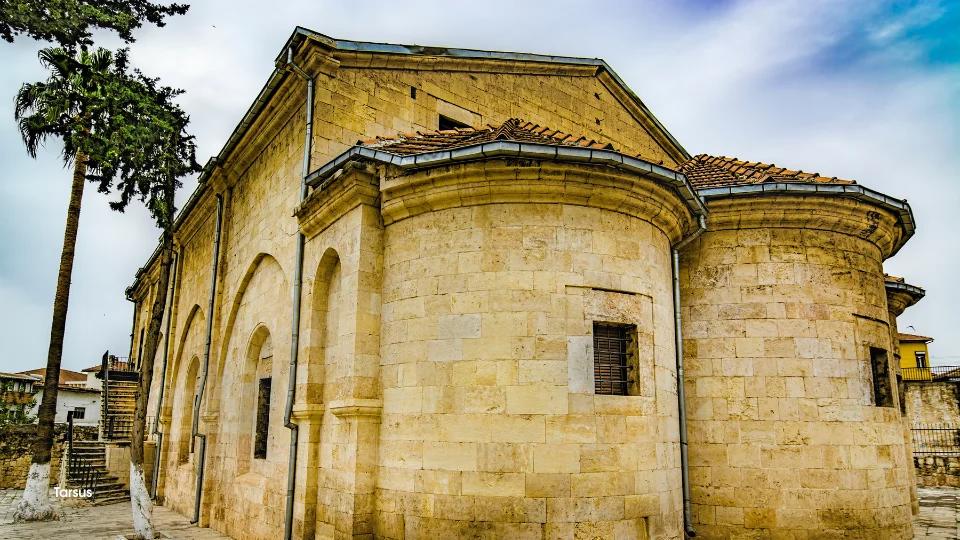
St. Paul began his mission after a strong turning point. He first opposed early Christians. He later saw a vision on the road to Damascus. This moment changed his direction. He accepted the Christian message. He became one of its main teachers. His letters shaped Christian belief for many centuries.
Most of Paul’s mission took place in modern Turkey. These lands were major routes during the Roman Empire. Cities were active and full of travelers. Paul used these places to meet new groups.
He taught in synagogues. He spoke in open markets. He formed small Christian communities. These groups later grew into important centers of faith.
Today, you can follow the footsteps of St. Paul by joining the Footsteps of St Paul Turkey Tour.
Holy Sites Visited by St. Paul
Antioch (Antakya)
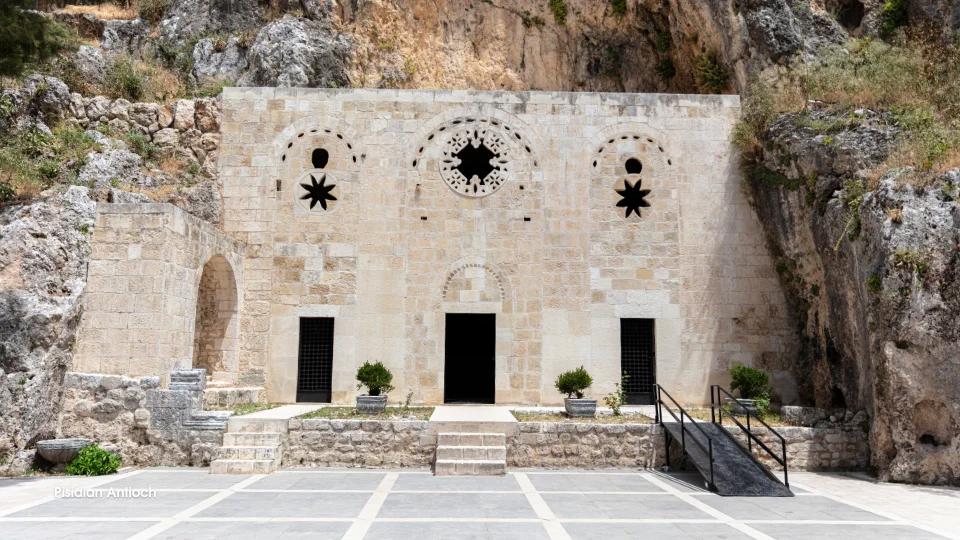
Antioch was the starting point of Paul’s work. The city had many cultures. People lived close to each other. Followers of Jesus first received the name “Christians” here. Today visitors see the Cave Church of St. Peter. It stands on a hillside. The place feels quiet. The view helps visitors imagine the early community.
Seleucia Pieria (Samandag)
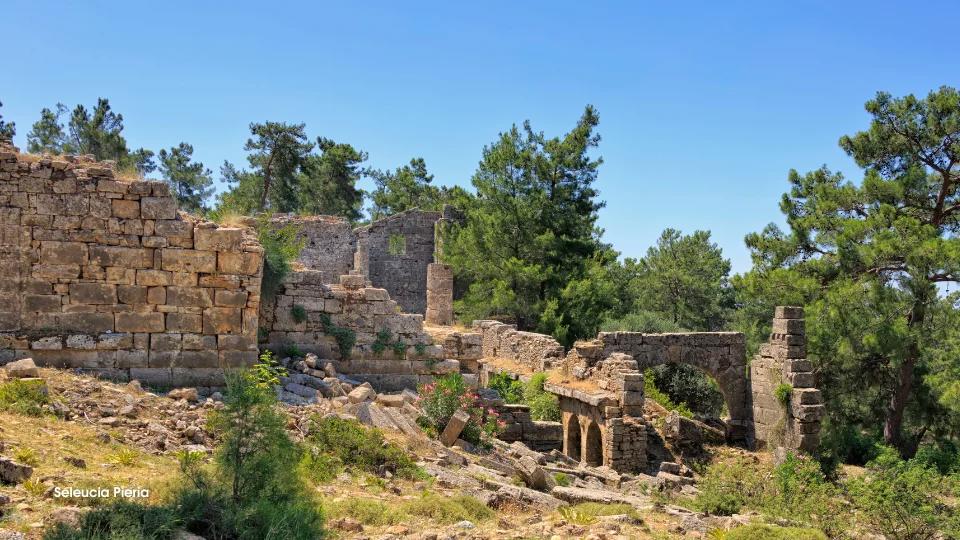
Seleucia Pieria was the port of Antioch. Paul and Barnabas began their first journey from this harbor. The ruins sit between mountains and sea. Travelers see the ancient flood-protection tunnel. The area shows the start of Paul’s sea route.
Perga (Near Antalya)
Perga was a large city with Roman gates and long streets. Paul entered this place during his first mission. Visitors walk through wide ruins today. The theater and stadium show the size of the city. The area feels open and calm.
Pisidian Antioch (Yalvac)
Pisidian Antioch stands on a high hill. Paul delivered an important sermon here. The basilica ruins sit near an old Roman road. The site is quiet. Many travelers enjoy the peaceful atmosphere.
Iconium (Konya)
Iconium was a busy inland center. Paul spoke to local groups here. Some people welcomed his ideas. Others rejected them. Konya today is a modern city. Museums show early Christian history.
Lystra
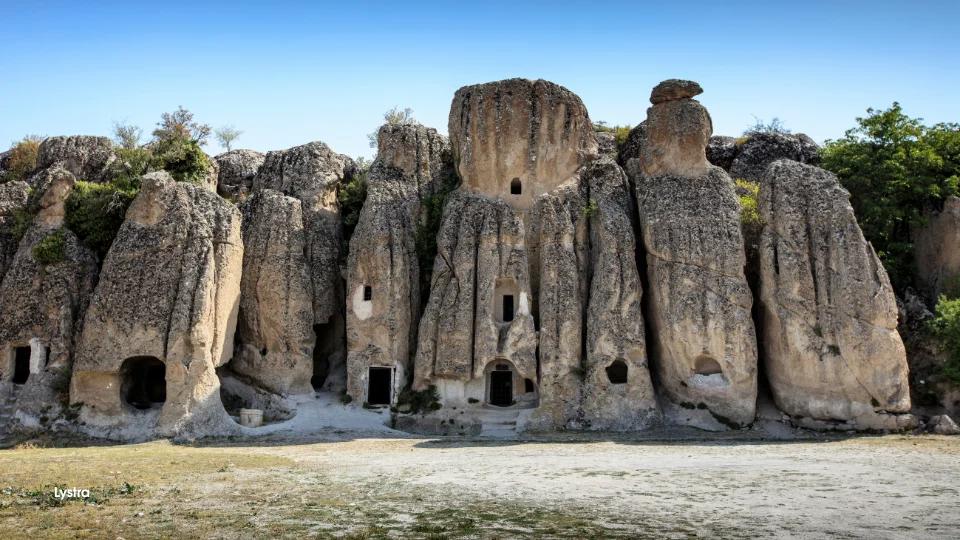
Lystra is known for a major event. Paul healed a man who could not walk. The story brought strong reactions from the crowd. The area has few visible ruins today. The landscape is simple and open. Visitors use this stop to reflect on Paul’s challenges.
Derbe
Derbe was the farthest point on Paul’s first mission. It was a small inland settlement. The region remains rural today. The quiet fields help visitors imagine the long and difficult roads Paul walked.
Return to Antioch
Paul returned through Lystra, Iconium, and Pisidian Antioch. He visited each group again. He strengthened the new communities. This return shows his dedication. He wanted each group to grow with guidance.
Troas
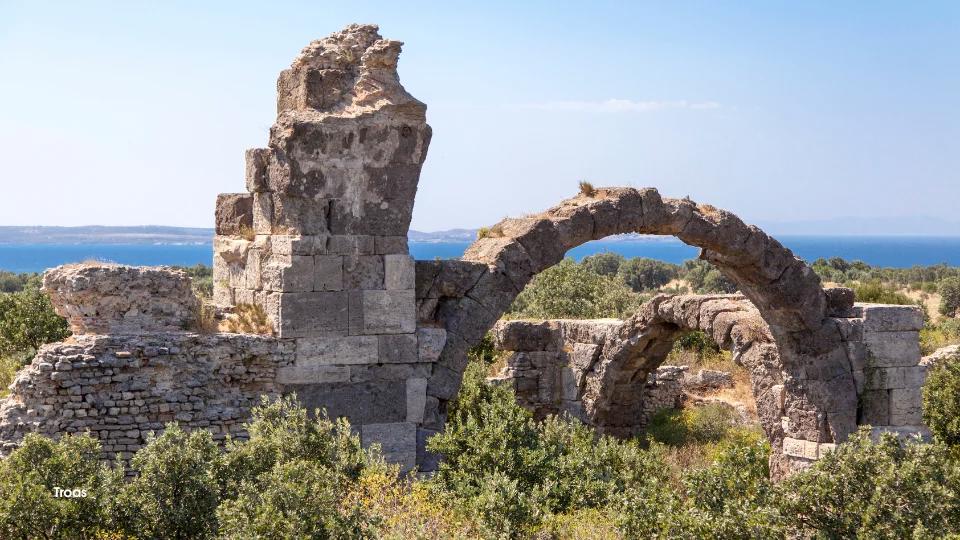
Paul reached Troas on a later journey. He received a vision here. The vision sent him toward Europe. The ruins sit near the Aegean Sea. The coast feels calm.
Assos
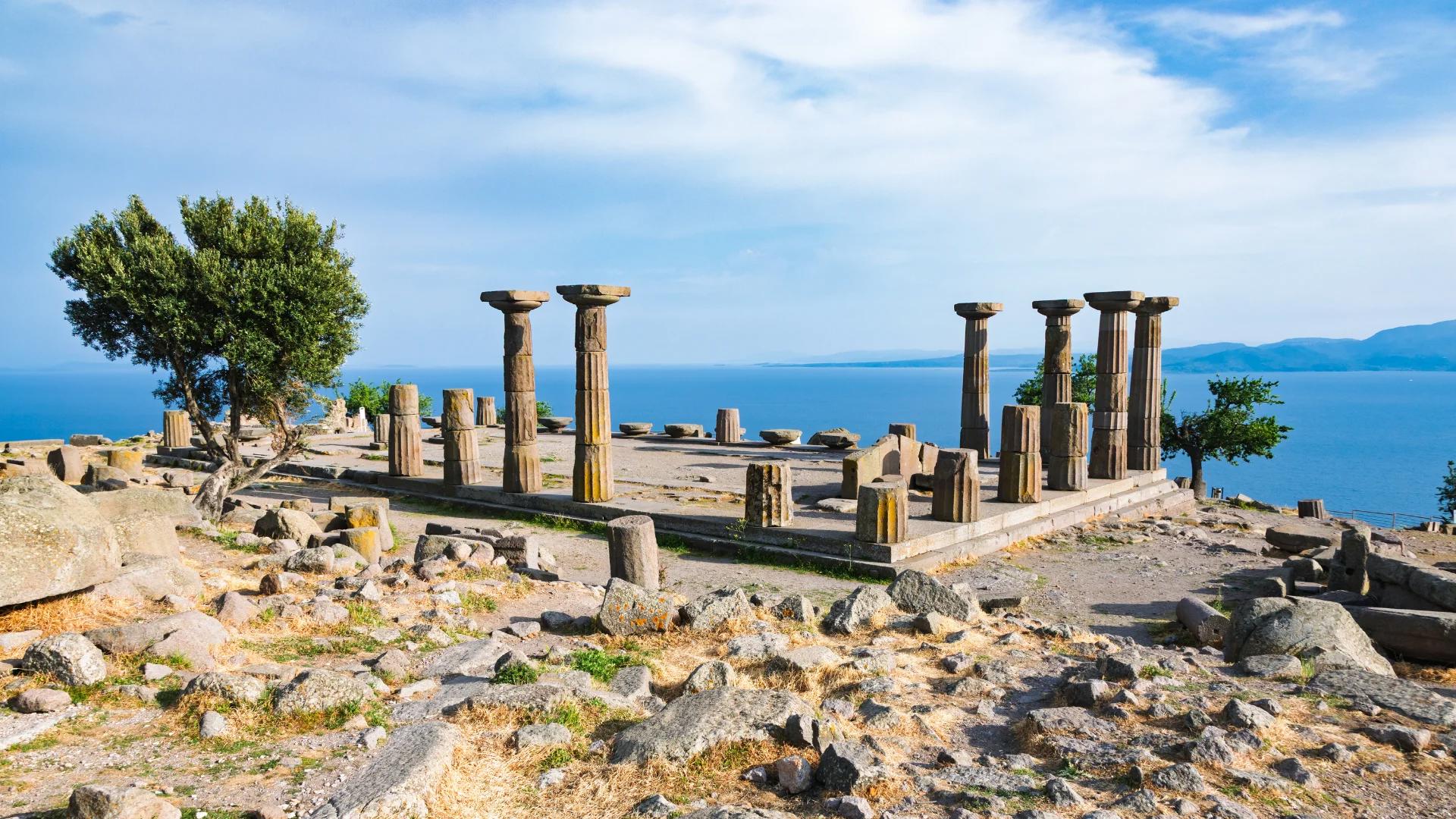
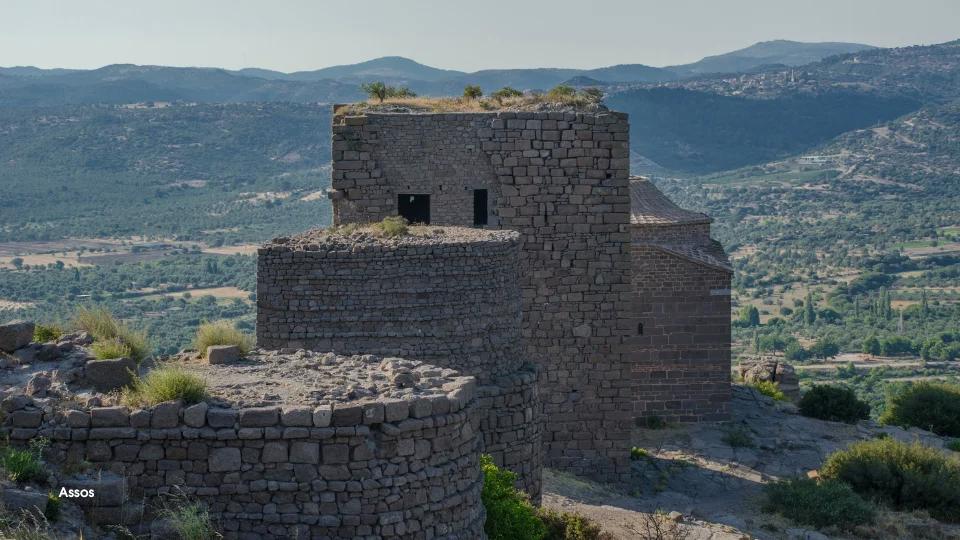
Assos stands on a rocky hill above the water. Paul walked to its port. His companions traveled by ship. The area has old walls and sea views. Visitors feel a strong link to the past.
Ephesus
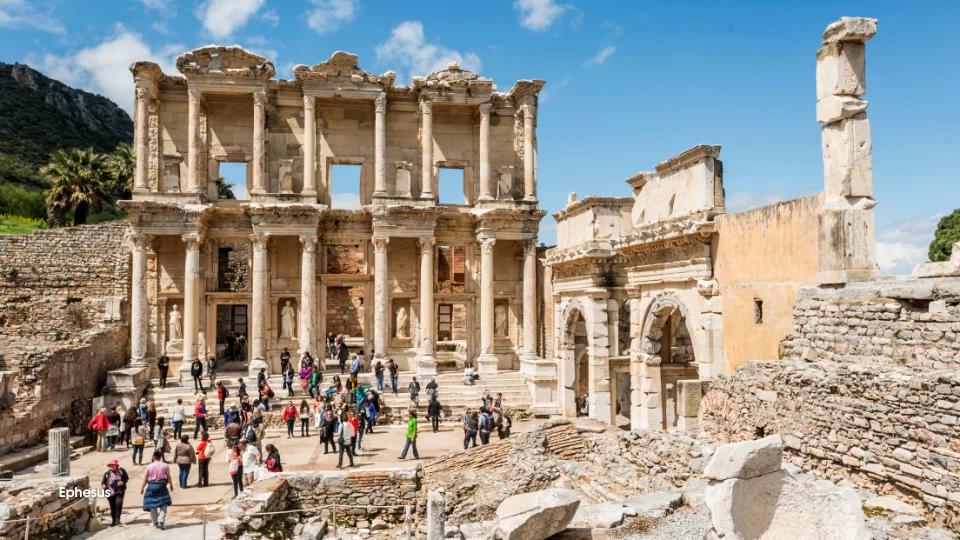
Ephesus was one of Paul’s main centers. He taught here for several years. The city created both support and conflict. Visitors see the Library of Celsus and the Great Theater. Many travelers say this stop feels powerful.
Miletus
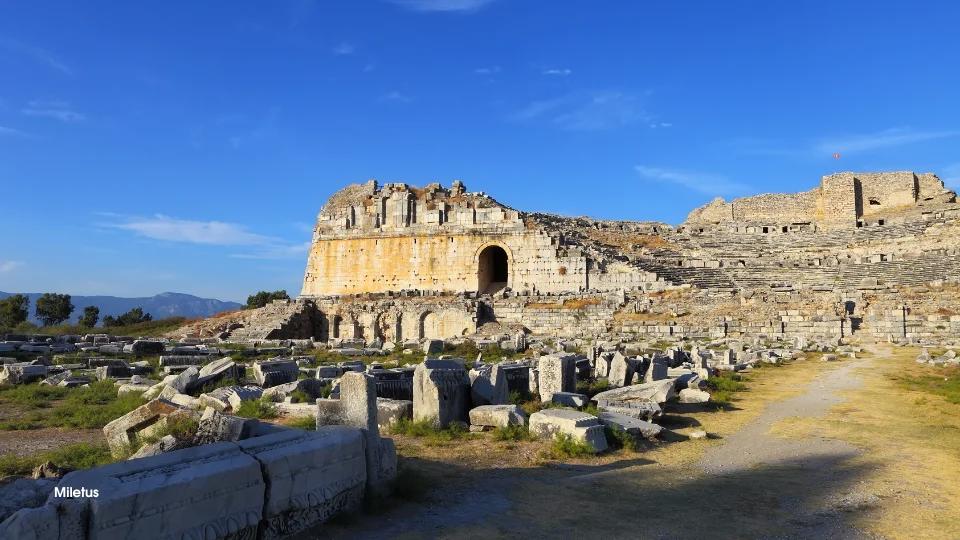
Miletus is the place where Paul spoke to the elders of Ephesus. He delivered a farewell message. The ruins sit near fields and water channels. The theater still stands with wide views.
Patara
Patara was an active port. Paul sailed from here. The beach is long and open. The city ruins include a parliament building and an ancient lighthouse base.
How Long Does A Biblical Journey Take?
Independent Travelers
Independent travel takes more time. Public transport does not reach every site. Travelers need 7 to 10 days for the main route. They need 10 to 12 days to include coastal sites. Planning is important. Travelers should expect long drives and rural roads.
Guided Tours
Guided tours move faster. A guide reduces planning time. Travelers often need 7 days for the main St. Paul route. They need 10-14 days for a full journey. Guided tours help visitors understand each site with clear context.
What Can I Expect at Each Site?
- Visitors see different types of landscapes.
- Urban sites like Ephesus and Perga offer large ruins and strong visuals.
- Hilltop places like Pisidian Antioch give silence and wide views.
- Rural stops like Lystra and Derbe show simple land with few structures.
- Coastal areas like Troas, Assos, and Patara give sea views and fresh air.
- Most sites stay quiet. The journey creates a steady rhythm of history and nature.
Is This Journey Suitable for All Ages?
Yes. Visitors of many ages enjoy this route. The trip requires walking. Stones can be uneven. Comfortable shoes are important. Private transport helps seniors and families. Guided tours reduce stress and create a smooth pace. Many older travelers enjoy this journey because it feels calm and reflective.
What is the Best Route Today?
A simple and effective route is:
Antioch → Tarsus → Cappadocia → Iconium → Lystra → Pisidian Antioch → Perga → Laodicea → Ephesus → Smyrna → Pergamon → Troy
This path follows Paul’s journey through southern and western Turkey. The route is easy to follow by car or with a guided program.
The Biblical Journey of St. Paul offers more than a list of ancient sites. It gives a clear look into the early days of Christianity. Each stop shows a part of Paul’s mission. Each visitor finds a different meaning in this trip.
If you want to see the places that shaped Paul’s work and learn their stories with expert guidance, contact us to plan your Biblical journey across Turkey.