
Turkish Hand Gestures and Body Language Every Tourist Should Know
Turkish people do not communicate only with words. In Turkey, a small head movement, a tongue click, or a hand gesture can say a lot. For visitors, these signs can be funny, confusing, or even surprising at first. This guide explains the most common Turkish body language gestures, so you can understand local communication better during your trip.
The Famous Turkish “No”
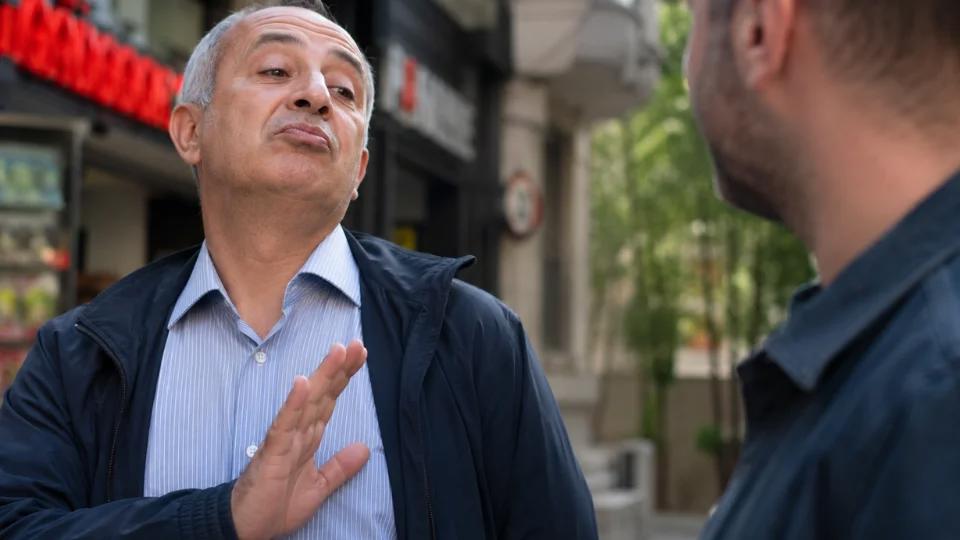
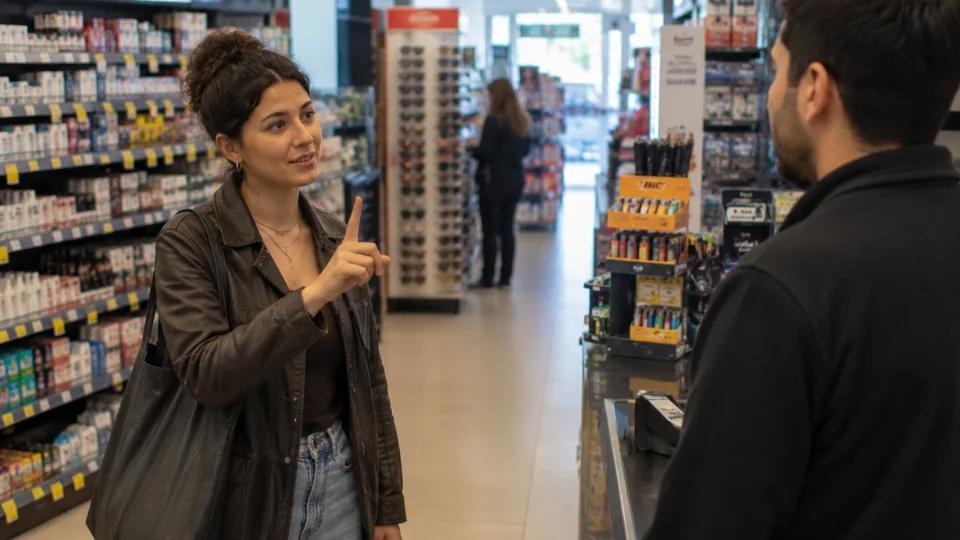
One of the most misunderstood gestures in Turkey is the Turkish way of saying “no.” A person may lift the head slightly backward, raise the eyebrows, and make a short “tsk” sound with the tongue. This does not mean they are angry. It usually means:
- No.
- I do not want it.
- It is not possible.
For many Western visitors, the sound may feel rude. In Turkey, it is simply a fast non-verbal answer.
Does Nodding Mean Yes in Turkey?
A normal up-and-down nod usually means “yes” in Turkey, just like in many other countries. The confusing part is the backward head movement. If someone lifts the chin up with a tongue click, they probably mean “no.” So, the rule is simple:
- Head down and up = yes
- Head back + tsk sound = no
Hand Over the Heart
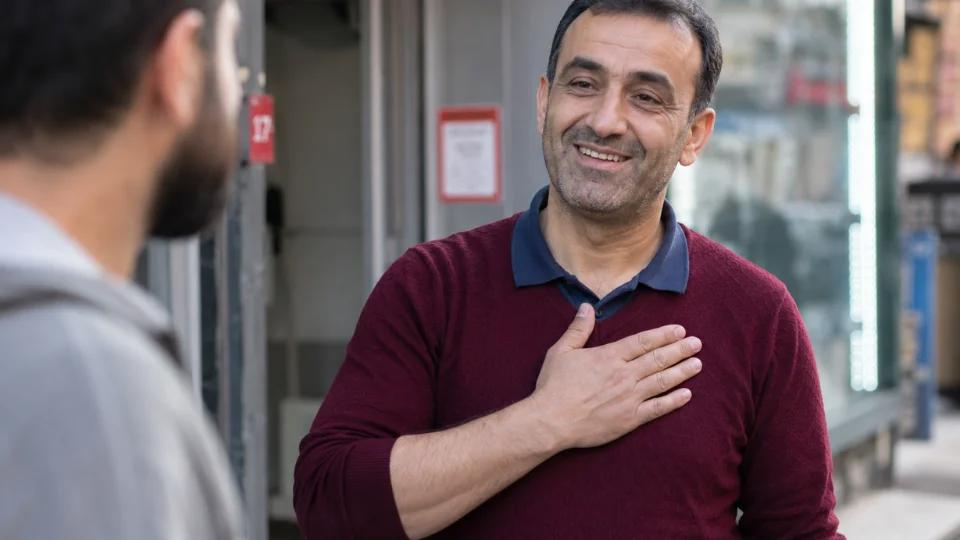
Placing a hand over the heart is a warm and polite gesture in Turkey. It can mean:
- Thank you
- I appreciate it
- I respect you
- No, thank you
You may see this gesture in restaurants, shops, or when someone wants to refuse something kindly.
Calling Someone Over
In Turkey, people often call someone by extending the hand with the palm facing down and moving the fingers toward themselves. This can look unusual to visitors because, in some countries, people use the palm facing up. In Turkey, the palm-down version is more natural and polite.
Asking for the Bill
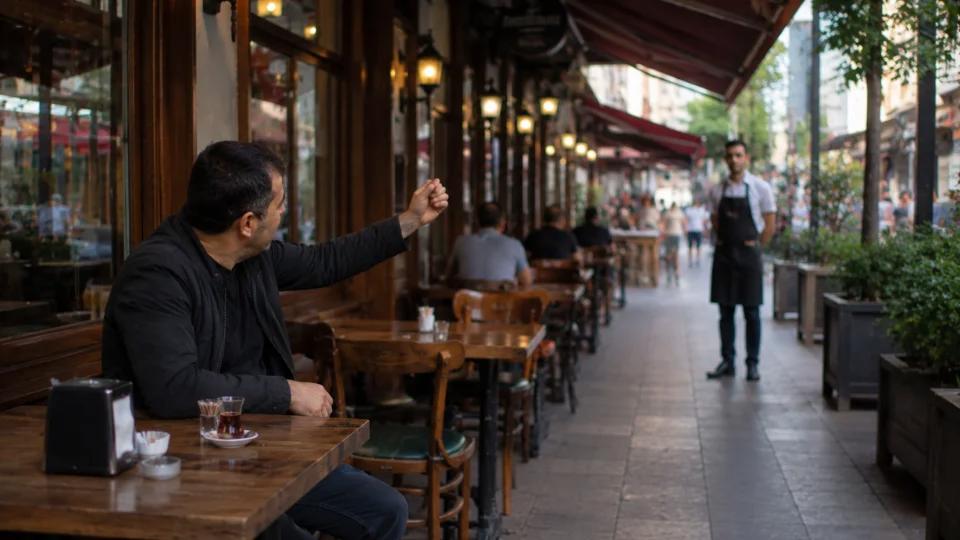
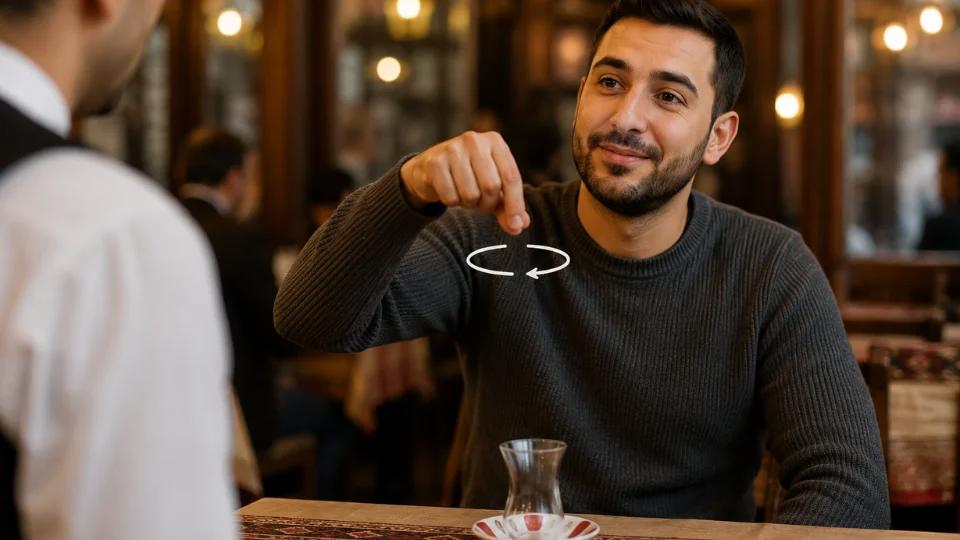
In many Turkish restaurants, people ask for the bill by making a writing motion in the air. This gesture means: "The bill, please." You can also say:
- Hesap lütfen.
- The bill, please.
This is one of the most useful Turkish hand gestures for tourists.
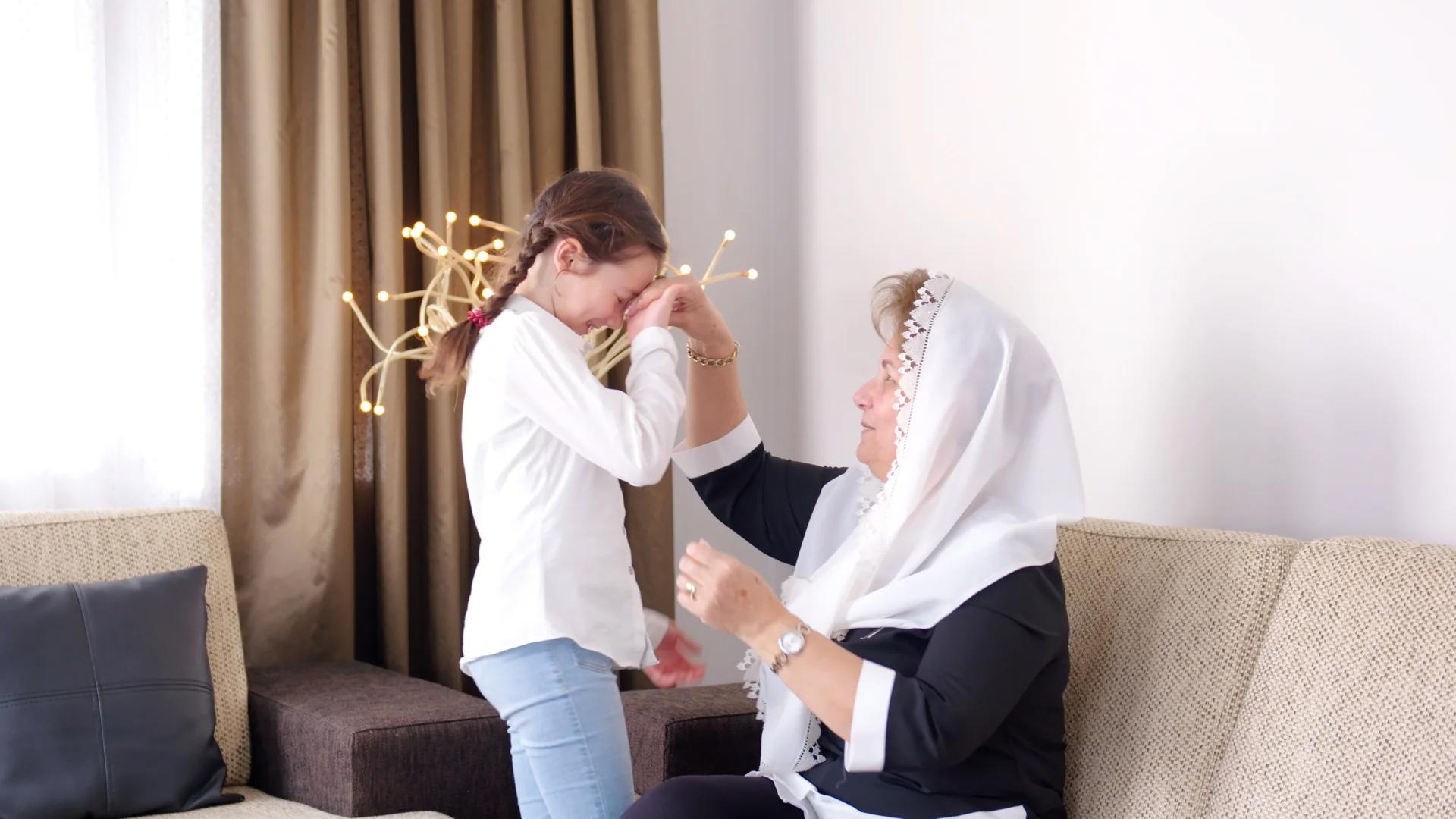
Kissing the Hand of Elders
In Turkish culture, younger people may kiss the hand of an older person and then touch it to their forehead. This is a sign of respect, especially during family visits, holidays, and traditional gatherings. Tourists are not expected to do this. However, understanding it helps you read the situation better.
Be Careful with Some Gestures
Some gestures that feel normal in your country may have a different meaning in Turkey. For example, certain hand signs can sound rude or political, depending on the context. The safest rule is simple: when in doubt, use words, smile, and keep gestures neutral.
Why Tourists Misunderstand Turkish Gestures?
Most misunderstandings happen because visitors translate body language from their own culture. Non-verbal communication varies significantly between cultures. However, gestures do not have one universal meaning. For example, a tongue click may sound negative in English-speaking cultures. In Turkey, it can simply replace the word “no.” A hand over the heart may look formal, but in Turkey, it can feel very sincere and natural.
A Private Istanbul Old City Tour can help visitors understand local etiquette while exploring historic places. A Half-Day Istanbul Private Food Tasting Tour is also a great way to learn how people communicate in restaurants, markets, and tea houses.
FAQ
What does clicking the tongue mean in Turkey?
Clicking the tongue with a slight backward head movement usually means “no” in Turkey.
Is the Turkish “tsk” sound rude?
Not always. It may sound rude to foreigners, but in Turkey, it is often just a normal way to say “no.”
What does hand over heart mean in Turkey?
It usually means thank you, respect, sincerity, or a polite refusal.
How do Turkish people ask for the bill?
Many people make a writing motion in the air. You can also say Hesap lütfen.
Do Turkish gestures have the same meaning everywhere?
Most common gestures are widely understood, but meanings can change by region, age, and context.
Turkish body language is expressive, warm, and full of small details. Once you understand head nods, tongue clicks, and hand gestures, daily communication becomes much easier. Learn these signs before your trip, and you will feel more confident in restaurants, markets, and local streets. Contact us to plan your Turkey trip with a local guide and experience Turkish culture beyond words.


