Turkey's Ceramic Tradition: Iznik Tiles and Çanakkale Pottery Explained
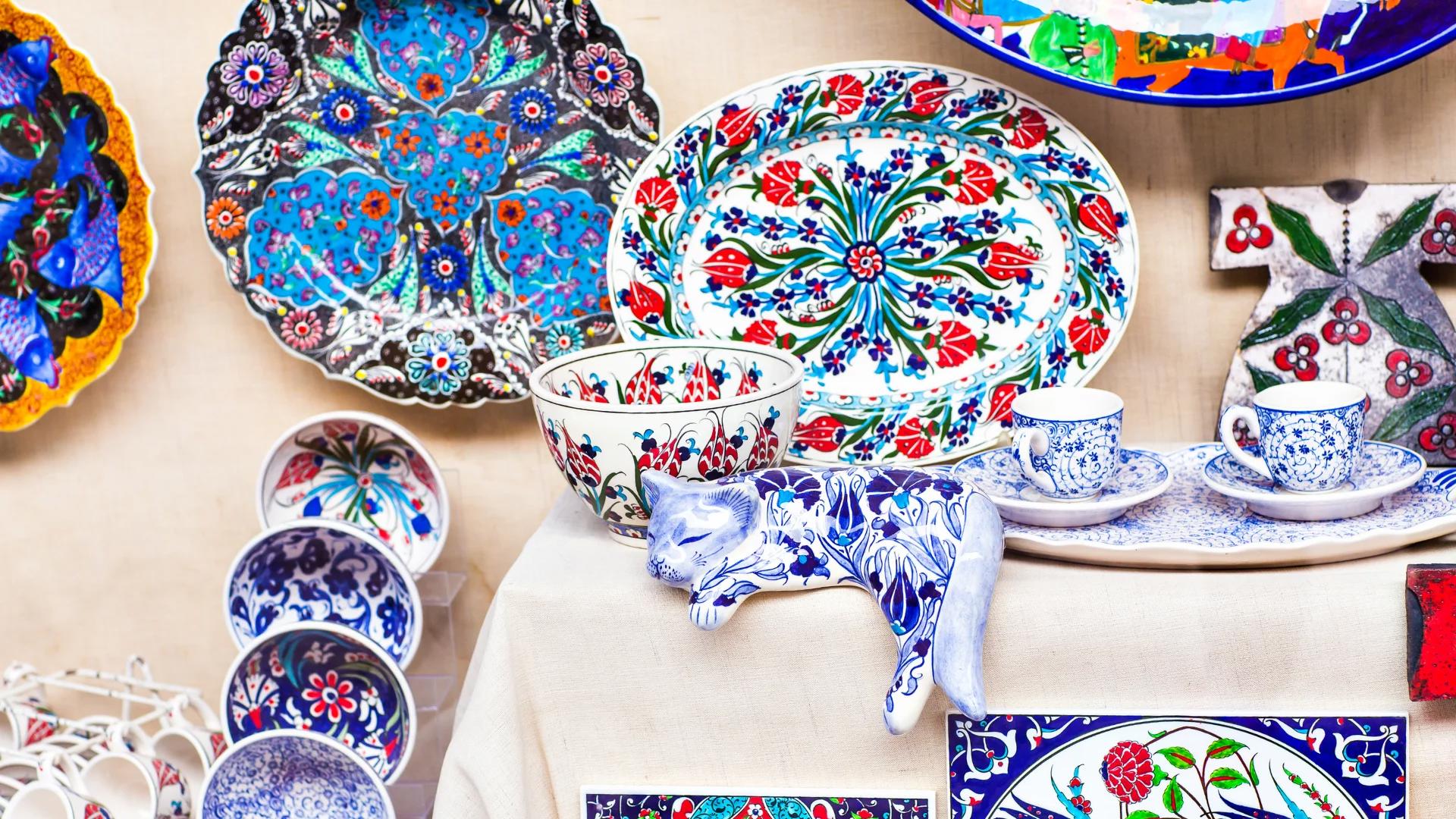
Turkish ceramics are more than pretty souvenirs. They tell stories about cities, faith, trade and daily life. You can see this art in Ottoman mosques, palace rooms, museum halls and small pottery shops. The most famous style is Iznik tiles Turkey. These bright blue, red and turquoise designs became a key part of Ottoman art. Another loved style is Canakkale pottery. It feels more rustic, playful and handmade.
This Turkish ceramics guide explains the main styles, best places to see them and simple tips for buying real pieces during your trip. The article follows your provided topic brief.
Why Turkish Ceramics are So Important?
Turkey has a long ceramic story. Clay art in Anatolia goes back thousands of years. Over time, local clay, trade routes and palace taste shaped different styles. The Ministry of Culture notes that pottery has existed in Anatolia for centuries. Clay was easy to find. It was also easy to shape before firing.
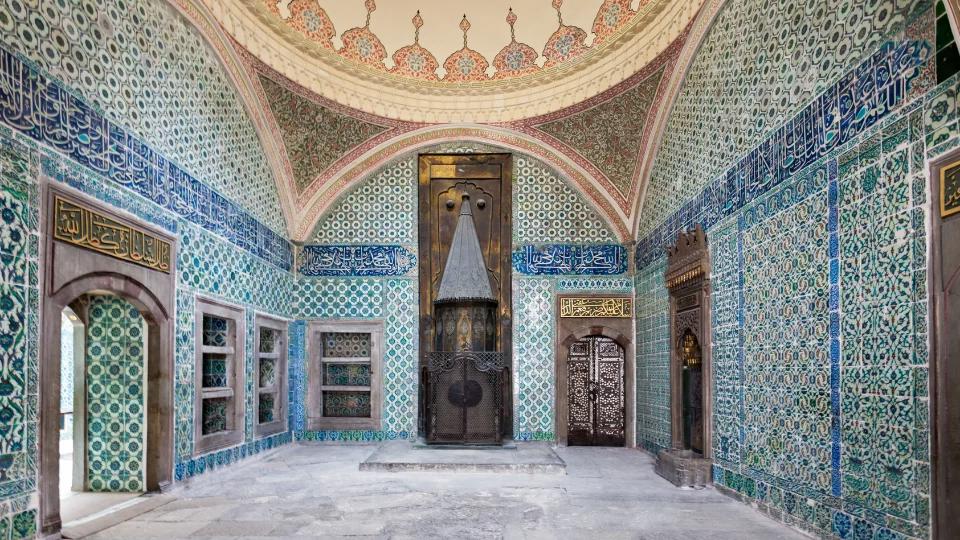
In Ottoman times, tile art became a luxury craft. Mosques, tombs and palaces used tiles to create color and light. These tiles were not only decoration. They also showed power, taste and faith. A tour like Istanbul Combo: City Highlights & Bosphorus Cruise can be a good place to understand this art. You can see Ottoman tile work inside historic religious buildings and palace areas.
Are Turkish Ceramics Good Souvenirs?
Yes. Turkish ceramics are among the best souvenirs from Turkey. They are beautiful, useful and connected to local culture. A small tile, coffee cup, bowl or plate can carry a real travel memory.
What Makes Iznik Tiles Special?
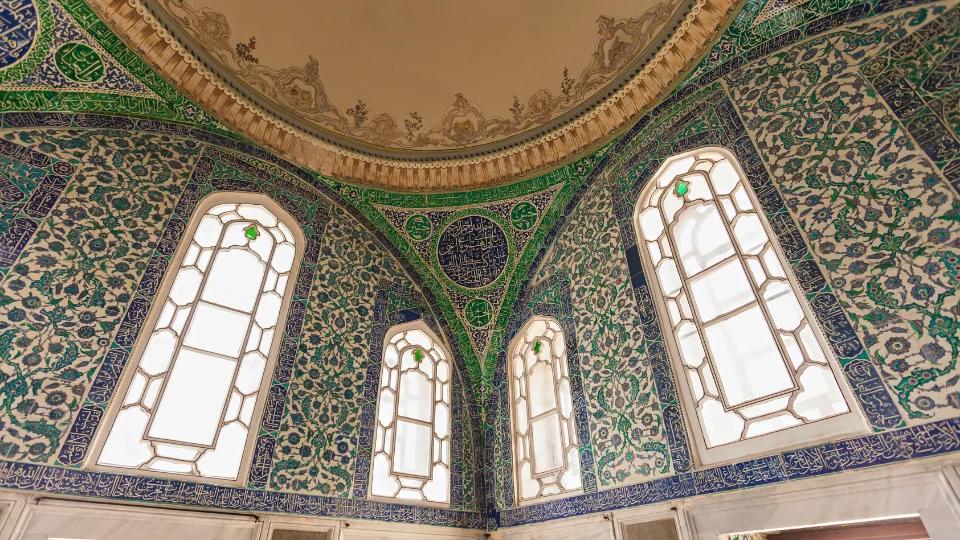
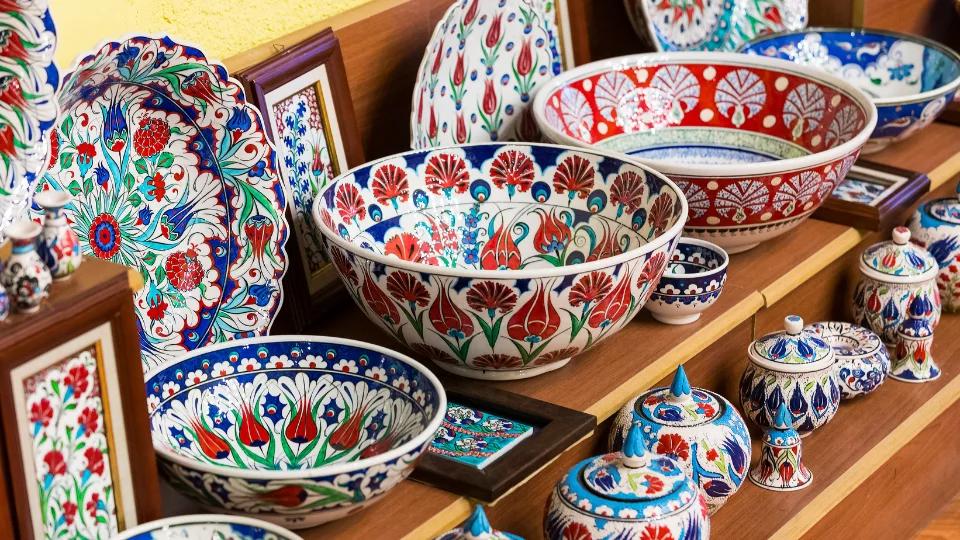
Iznik tiles Turkey are famous for clean lines and rich colors. Common colors include deep blue, turquoise, white and coral red. Floral patterns are very common. You may see tulips, carnations, roses, leaves and curved branches.
Iznik became a major ceramic center during the Ottoman period. UNESCO notes that Iznik gained worldwide fame as a production center for ceramic tiles. The art reached its peak during the 16th century. Iznik tiles were made for elite buildings. That is why many visitors first notice them in Istanbul. They create a calm and bright feeling inside large Ottoman spaces.
Where to See the Best Iznik Tiles?
Istanbul is the easiest city for seeing Ottoman tiles. The Blue Mosque is one of the most famous examples. Rustem Pasa Mosque is smaller but very rich in tile detail. Topkapi Palace also has beautiful tile rooms and wall panels. Suleymaniye Mosque is another strong stop. It gives a wider view of Ottoman design. The tile work is more balanced and elegant.
Travelers who want a deeper route can choose Small Group: Best of Istanbul Tour with Hagia Sophia Tickets. A guide can explain how tile art connects with Ottoman architecture.
What is Canakkale Pottery?
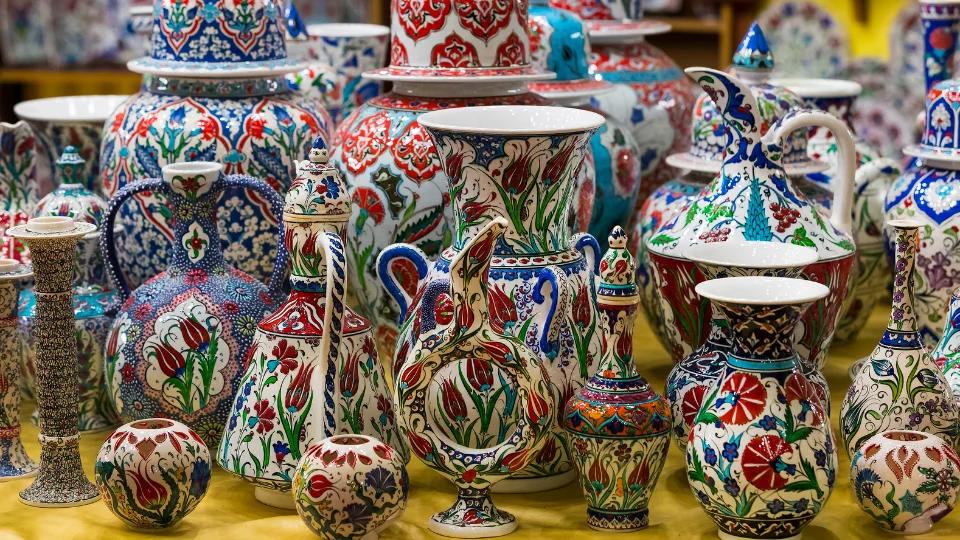
Canakkale pottery has a different mood. It is less formal than Iznik. It often feels lively, bold and local. Many pieces use warm earth colors, green glaze, brown tones and fun shapes. Some designs look playful. Animal figures like horses, birds and lions are common. These forms make the pottery unique and easy to recognize.
Canakkale ceramics became popular in the late Ottoman period. They were often bought as gifts and souvenirs. Koç University’s VEKAM collection describes Canakkale ceramics as an important part of late Ottoman ceramic art and 19th-century tourism. Many pieces were made quickly to meet demand from visitors. This gives them a more spontaneous and expressive look.
You may see jugs, plates, bowls, animal forms and decorative objects. Some pieces have exaggerated shapes or unusual proportions. This adds character. These ceramics were used in daily life as well as decoration.
Avanos Pottery in Cappadocia
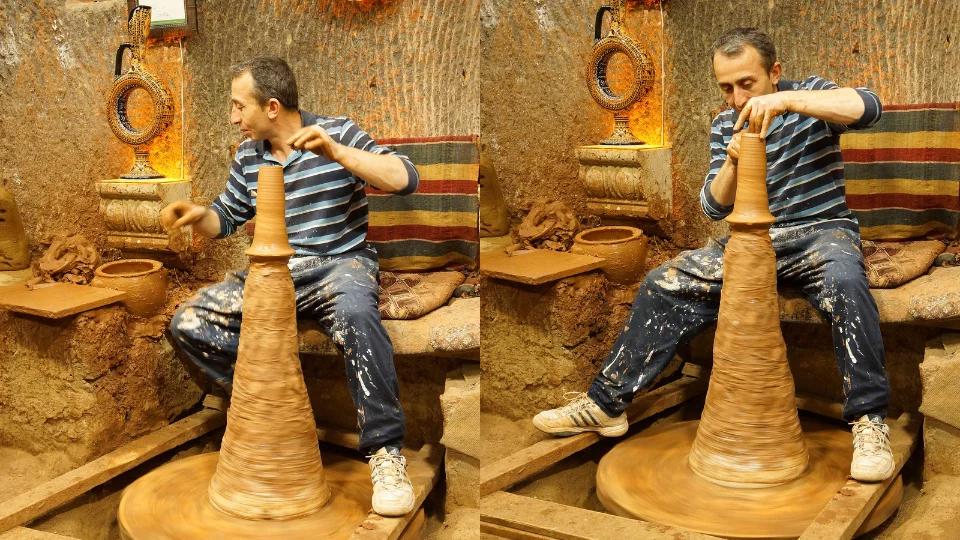
Avanos pottery Cappadocia is another major part of the Turkey ceramic tradition. Avanos is known for red clay from the Kizilirmak River. Local workshops still use wheel techniques. This clay has a rich iron content. It gives pottery a deep red color after firing. Local workshops still use wheel techniques. Many masters shape clay by hand with simple tools. This keeps the tradition alive. Many visitors try pottery making during a Cappadocia trip.
Avanos pottery has its own style. Surfaces are often smooth. Some pieces have carved patterns. Others use simple painted lines in black, white or blue. Glazing can be glossy or matte. Some items stay unglazed to show the natural clay color. This creates a more raw and authentic look.
Avanos is often presented as the heart of traditional pottery in Cappadocia. Local workshops offer short hands-on sessions for travelers. A route like Best of Cappadocia: Private 1, 2, or 3-Day Tours can include Avanos if you want a cultural stop beyond valleys and balloons. It is also a good match with Hot Air Balloon Ride in Cappadocia for a full local experience.
How to Buy Real Turkish Ceramics?
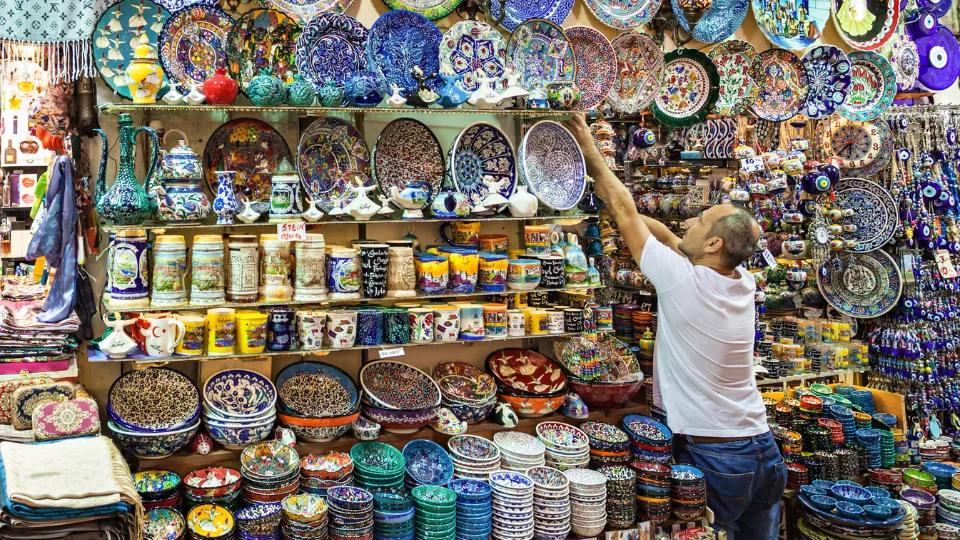
A good Turkish tile shopping guide starts with one rule. Do not buy only by color. Look at the quality of painting, glaze and shape. Handmade pieces often have small differences. These differences are normal. Ask if it is hand-painted. Ask if it is food safe if you plan to use it for serving. Real hand-painted ceramics usually cost more than printed pieces.
Ask where the piece was made. For Iznik-style items, check the lines. Good pieces have clear brushwork. The colors should look deep, not flat. For Canakkale-style pottery, look for character and handmade charm.
Can You Pack Ceramics Safely?
Yes, but plan well. Ask the shop to wrap each item with bubble wrap. Place ceramics in the middle of your suitcase. Use clothes around them. Plates and bowls should not touch each other directly. For valuable pieces, ask about shipping. Some Istanbul shops can ship abroad. Always keep the receipt. It may help with customs or insurance.
Turkish ceramics are a beautiful way to understand Turkey beyond photos and food. If you want to see tile art, visit Istanbul’s mosques and palaces. If you want to try clay work, add Avanos to your Cappadocia plan. If you want a real souvenir, buy from trusted workshops and ask clear questions. For a richer cultural route with expert planning, contact us and let your Turkey trip include the best ceramic stops, historic sites and private tours.


