
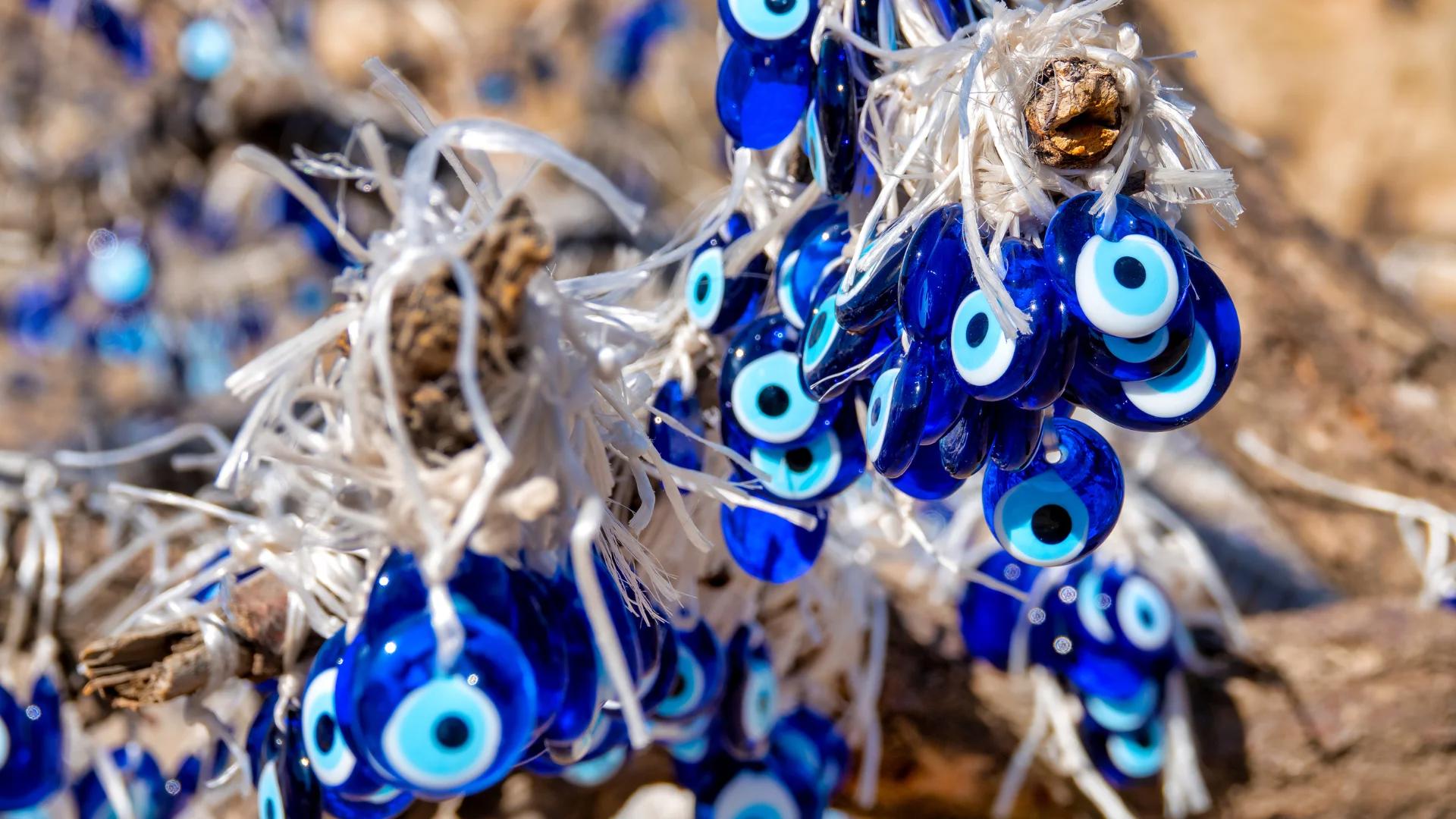
7 Turkish Superstitions That Will Make You Knock on Wood
Turkey is full of surprises from kind greetings and strong tea to deep-rooted superstitions that shape daily life. Some are funny, some are strange, and some are still followed very seriously, even today. If you’ve ever wondered why someone knocks on wood, pulls their ear, or wears a blue bead this post is for you.
We have added a special bonus at the end one superstition that mixes mystery with coffee and has become a real cultural hit among foreigners too!

1. Knock on Wood, Pull Your Ear, Tap the Sky
In Turkey, when someone talks about good fortune or praises someone too much, you’ll often see them do something unexpected:
- First, they gently pull their right earlobe.
- Then, they knock on a wooden surface twice.
- Sometimes, they might even click their tongue against the roof of their mouth.
Why do they do this?
It is a way to avoid bad luck or jealousy. These gestures are like a protective shield against the evil eye. It's also common to say “masallah”, which means "God has protected it." This mix of words and gestures is still very much alive even Turkish celebrities and influencers do it on camera!
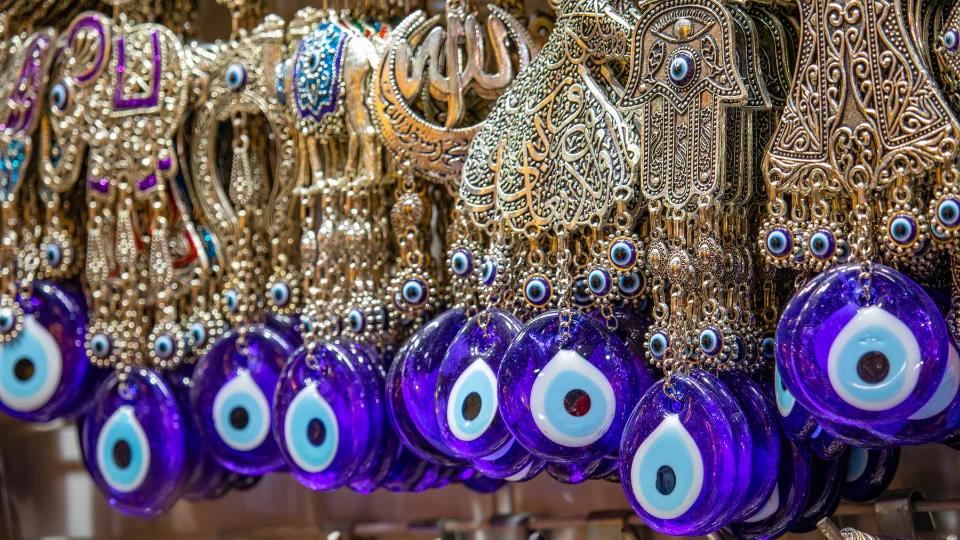
2. Nazar Boncugu – The Evil Eye Bead
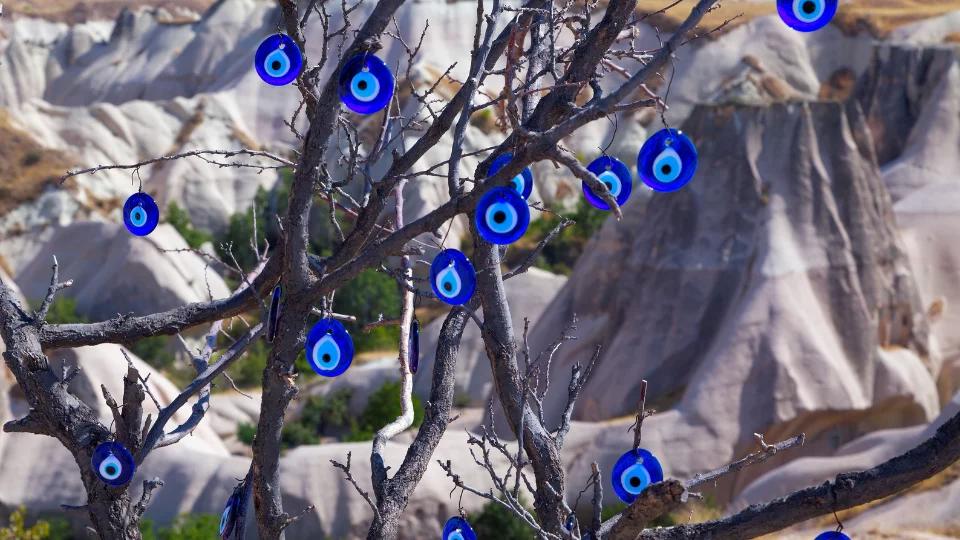
The blue glass bead is everywhere hanging on walls, pinned to babies’ clothes, glued to taxis, even printed on T-shirts. It’s the most famous Turkish superstition.
What does it do?
It protects against the evil eye a belief that too much attention, even admiration, can cause harm. If someone compliments you, they might give you “nazar” (bad luck), even if they didn’t mean to. The bead takes that energy for you.
3. Don’t Pass Knives Directly
Giving someone a knife or scissors hand to hand is seen as bad luck it may “cut” your friendship.
What to do instead?
Place the item on a table. If someone forgets and hands you a knife directly, say “we won’t fight” (Turkish: kavga etmeyelim) to cancel the bad energy.
4. Pour Water Behind Someone Leaving
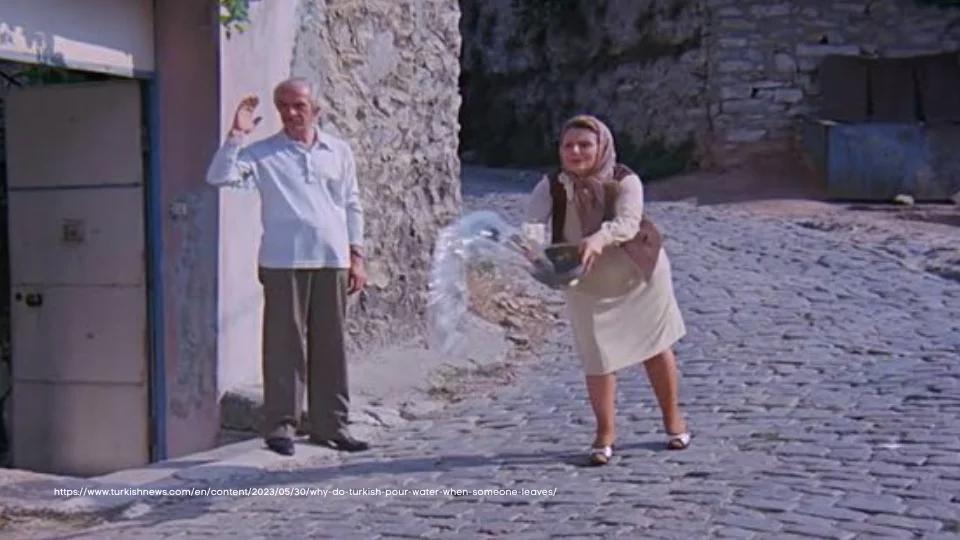
When someone goes on a trip or moves away, it’s common to throw water behind them.
Why?
Because water flows freely, and it’s a wish that their journey will go smoothly like water. This small goodbye ritual is often done silently and with love.
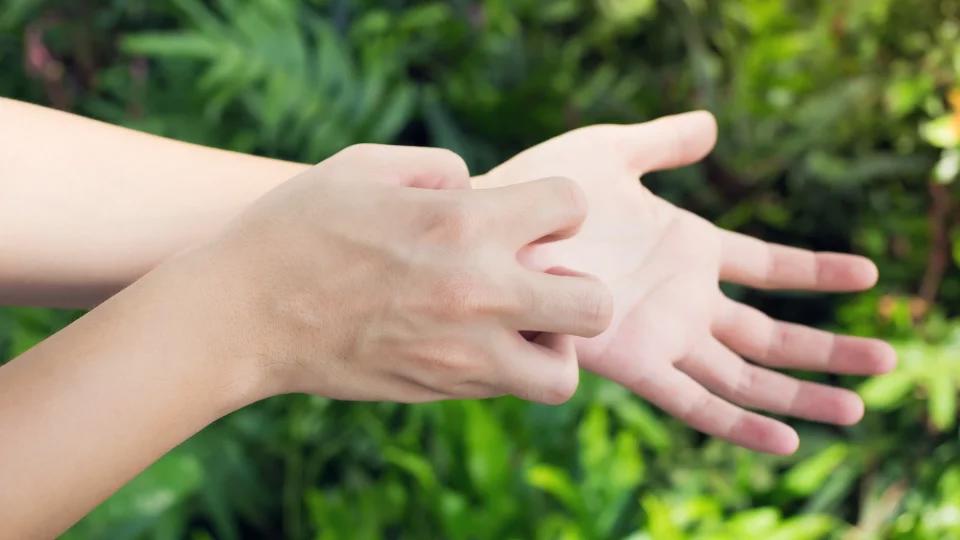
5. Body Signals: Itchy Hands, Sneezing, Spiders
Turkish superstition turns the body into a message board. Here’s what locals believe:
- Right palm itches: Great news, you are going to receive money soon.
- Left palm itches: Watch your wallet, you are about to lose or spend a large amount of money.
- Sneezing while talking: If someone sneezes exactly while you are telling a story, it proves that what you are saying is the absolute truth.
- Seeing a spider in the morning: Good luck and guests are coming.
- Seeing a spider at night: Something bad might happen; it is seen as a sign of sorrow.
6. Upside-Down Slippers Bring Bad Luck
If you take off your shoes or house slippers and one of them accidentally flips upside down, a Turkish person will rush to flip it back right-side up immediately.
Why?
An upside-down slipper is historically seen as a very bad omen, often associated with bringing negative energy or even sickness into the household. So, if you are a guest in a Turkish home, make sure you leave your shoes neatly side-by-side!
7. Breaking a Glass Means the "Evil Eye" is Gone
In most cultures, dropping a glass or shattering a plate is an annoying accident. In Turkey, however, it is often met with a sigh of relief and the phrase "Nazar çıktı" (The evil eye has left).
What does it mean?
Locals believe that when a glass shatters seemingly out of nowhere, it had absorbed all the bad energy or jealous stares directed at you or your home. The breaking of the glass means the negative energy has finally been destroyed.
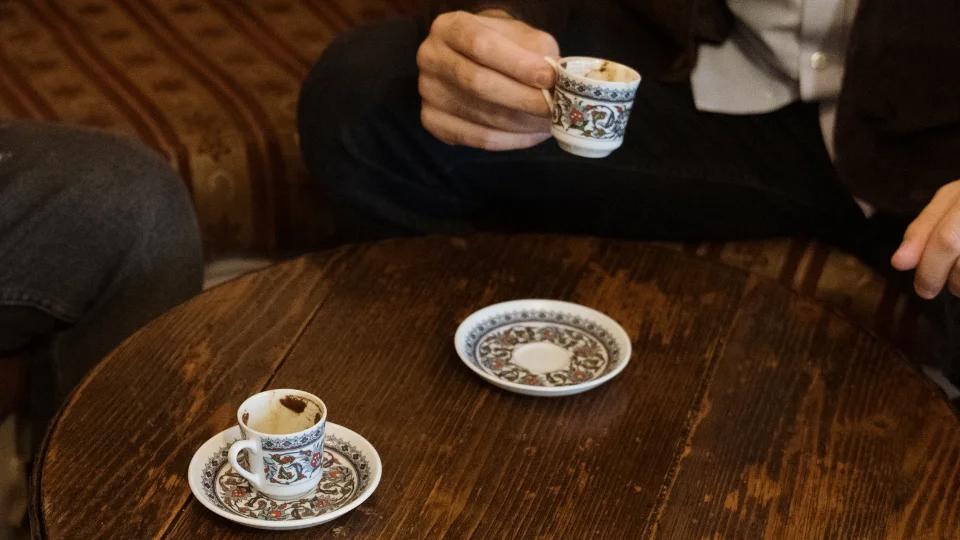
Bonus: Reading Coffee Grounds (Kahve Falı)
If you thought Turkish coffee was just a drink think again. After you finish your cup, many locals turn it upside down on the saucer and wait for it to cool. Then comes the magic: fortune-telling with the coffee grounds, called kahve falı.
How does it work?
Someone “reads” the shapes and lines left by the coffee grounds. They might see a bird (good news), a road (a journey), or a snake (a warning). It’s a fun ritual, usually done by women during coffee chats — and now also popular on Instagram and TikTok!
Many cafes now even offer professional coffee readings, and some tour guides include it as part of their Istanbul cultural experiences.
Discover the Magic of Turkey with Us
Turkish superstitions may seem simple, but they carry deep emotions protection, care, and a strong bond with tradition. Whether you’re a believer or not, they make daily life in Turkey feel more colorful, mysterious, and warm.
If you want to explore these traditions with locals and learn their real meanings, book a Private Turkish Culture & Coffee Tour in Istanbul.
Contact us today and step into a world where a small blue bead, a knock on wood, or a swirl in coffee can mean more than you ever imagined.
Frequently Asked Questions About Turkish Superstitions
What is the meaning of the Turkish evil eye (Nazar Boncuğu)?
The Turkish evil eye bead is a traditional blue glass amulet. It is not meant to bring bad luck, but rather to protect you from it. Locals believe it absorbs negative energy and jealous stares, keeping the person wearing it safe from harm.
Why do Turkish people pour water behind a departing car?
Pouring water behind someone who is leaving is a beautiful blessing. Because water flows smoothly and without interruption, throwing it symbolizes the wish for a safe, easy journey and a quick return home.
Is Turkish coffee fortune telling real?
"Kahve falı" (coffee reading) is mostly considered a fun, social tradition rather than strict magic. It is a wonderful way for friends to bond, share hopes, and give advice while interpreting the shapes left by the coffee grounds in the cup.


